Product updates, engineering insights, and company newsPembaruan produk, wawasan engineering, dan berita perusahaan产品更新、工程洞察与公司新闻Produkt-Updates, Engineering-Einblicke und Unternehmensnews
AI & TechAI & TeknologiAI 与技术KI & Technik
FeaturedUnggulan精选Empfohlen6 min read6 mnt baca6 分钟阅读6 Min. Lesezeit
The AI Agent Production Gap: Why Most Pilots Never Ship - and What the Winners DoJurang Produksi Agen AI: Kenapa Kebanyakan Pilot Tak Pernah Rilis - dan Apa yang Dilakukan yang BerhasilAI 智能体的生产落地鸿沟:为何多数试点从未上线——以及成功者的做法Die Produktionslücke bei AI-Agenten: Warum die meisten Piloten nie in Produktion gehen – und was die Gewinner anders machen
Nearly four in five enterprises have tried AI agents, but only a fraction run them in production. The gap is not the model - it's governance, integration, and measurement.Hampir empat dari lima perusahaan sudah mencoba agen AI, tapi hanya sebagian kecil yang menjalankannya di produksi. Jurangnya bukan pada model - tapi tata kelola, integrasi, dan pengukuran.近五分之四的企业尝试过 AI 智能体,但只有一小部分在生产环境中运行它们。鸿沟不在模型——而在治理、集成与度量。Fast vier von fünf Unternehmen haben AI-Agenten ausprobiert, aber nur ein Bruchteil betreibt sie in Produktion. Die Lücke ist nicht das Modell – es sind Governance, Integration und Messung.
H
Hadi
Founder & Principal EngineerPendiri & Principal EngineerFounder & Principal EngineerFounder & Principal Engineer
Latest StoriesCerita Terbaru最新文章Neueste Beiträge
Insights and updates from the workbench - filter by what you care about.Wawasan dan pembaruan dari meja kerja - saring sesuai minat Anda.来自工作台的洞察与更新——按你关心的主题筛选。Einblicke und Updates aus der Werkstatt – filtern Sie nach Ihren Interessen.
AI & TechAI & TeknologiAI 与技术KI & Technik
5 min read5 mnt baca5 分钟阅读5 Min. Lesezeit
LLMflation: Inference Got ~10x Cheaper Every Year - Design For ItLLMflation: Inferensi Jadi ~10x Lebih Murah Tiap Tahun - Rancang Untuk ItuLLMflation:推理每年便宜约 10x——为此而设计LLMflation: Inferenz wurde jedes Jahr rund 10x günstiger – planen Sie dafür
GPT-4-class quality that cost ~$20 per million tokens in 2022 now runs for cents. Cheap inference changes what's worth building - and what's worth caching.Kualitas kelas GPT-4 yang dulu ~$20 per juta token di 2022 kini tinggal sen. Inferensi murah mengubah apa yang layak dibangun - dan apa yang layak di-cache.2022 年每百万 token 需约 $20 的 GPT-4 级质量,如今只需几美分。廉价推理改变了什么值得构建——以及什么值得缓存。GPT-4-Qualität, die 2022 rund $20 pro Million Tokens kostete, läuft heute für Cent-Beträge. Günstige Inferenz verändert, was sich zu bauen lohnt – und was sich zu cachen lohnt.
H
Hadi
Founder & Principal EngineerPendiri & Principal EngineerFounder & Principal EngineerFounder & Principal Engineer
IoT & EdgeIoT & EdgeIoT 与边缘IoT & Edge
6 min read6 mnt baca6 分钟阅读6 Min. Lesezeit
On-Device AI: When a 7B Model at the Edge Beats a Giant in the CloudAI On-Device: Saat Model 7B di Edge Mengalahkan Raksasa di Cloud端侧 AI:当边缘的 7B 模型胜过云端的巨型模型On-Device-AI: Wenn ein 7B-Modell am Edge einen Giganten in der Cloud schlägt
Small, task-specific models now run on phones, gateways, and NPUs - cutting cost, latency, and data exposure. For many real jobs, smaller is simply the right tool.Model kecil khusus tugas kini berjalan di ponsel, gateway, dan NPU - memangkas biaya, latensi, dan paparan data. Untuk banyak pekerjaan nyata, lebih kecil justru alat yang tepat.小型、面向特定任务的模型如今运行在手机、网关和 NPU 上——削减成本、延迟和数据暴露。对许多真实工作而言,更小就是恰当的工具。Kleine, aufgabenspezifische Modelle laufen heute auf Telefonen, Gateways und NPUs – und senken Kosten, Latenz und Datenexposition. Für viele reale Aufgaben ist kleiner schlicht das richtige Werkzeug.
H
Hadi
Founder & Principal EngineerPendiri & Principal EngineerFounder & Principal EngineerFounder & Principal Engineer
InsightsWawasan洞察Einblicke
6 min read6 mnt baca6 分钟阅读6 Min. Lesezeit
Vision-Language Models on the Line: Explainable Inspection Without Wrecking Cycle TimeVision-Language Model di Lini Produksi: Inspeksi yang Bisa Dijelaskan Tanpa Merusak Waktu Siklus产线上的视觉语言模型:可解释的检测而不拖垮节拍时间Vision-Language-Modelle an der Linie: Erklärbare Inspektion ohne die Taktzeit zu ruinieren
VLMs can describe why a part failed, not just flag it - but they're heavier than CNNs. The winning pattern uses each for what it's good at.VLM bisa menjelaskan mengapa sebuah komponen gagal, bukan sekadar menandainya - tapi lebih berat dari CNN. Pola yang menang memakai keduanya sesuai kekuatannya.VLM 能描述一个零件为何不合格,而不仅仅是标记它——但它们比 CNN 更重。制胜的模式是让两者各展所长。VLMs können beschreiben, warum ein Teil durchgefallen ist, nicht nur es markieren – aber sie sind schwerer als CNNs. Das erfolgreiche Muster nutzt jedes für das, worin es gut ist.
H
Hadi
Founder & Principal EngineerPendiri & Principal EngineerFounder & Principal EngineerFounder & Principal Engineer
Software DevSoftware Dev软件开发Softwareentwicklung
6 min read6 mnt baca6 分钟阅读6 Min. Lesezeit
The AI Coding Paradox: Developers Feel Faster, Teams Can Ship SlowerParadoks Coding AI: Developer Merasa Lebih Cepat, Tim Bisa Rilis Lebih LambatAI 编码悖论:开发者感觉更快,团队却可能交付更慢Das AI-Coding-Paradoxon: Entwickler fühlen sich schneller, Teams liefern womöglich langsamer
AI assistants genuinely speed up writing code - but bigger PRs and more bugs can clog review and QA. The gain is real only if you fix the downstream bottleneck.Asisten AI benar-benar mempercepat penulisan kode - tapi PR lebih besar dan bug lebih banyak bisa menyumbat review dan QA. Keuntungannya nyata hanya jika Anda membenahi hambatan di hilir.AI 助手确实加快了写代码的速度——但更大的 PR 和更多的 bug 会堵塞审查和 QA。只有当你修复下游瓶颈时,收益才是真实的。AI-Assistenten beschleunigen das Schreiben von Code tatsächlich – aber größere PRs und mehr Bugs können Review und QA verstopfen. Der Gewinn ist nur real, wenn Sie den nachgelagerten Engpass beheben.
H
Hadi
Founder & Principal EngineerPendiri & Principal EngineerFounder & Principal EngineerFounder & Principal Engineer
AI & TechAI & TeknologiAI 与技术KI & Technik
6 min read6 mnt baca6 分钟阅读6 Min. Lesezeit
RAG in Practice: Grounding LLMs on Your Data Instead of Its MemoryRAG dalam Praktik: Menautkan LLM ke Data Anda, Bukan IngatannyaRAG 实践:让 LLM 立足于你的数据,而非它的记忆RAG in der Praxis: LLMs auf Ihren Daten verankern statt auf ihrem Gedächtnis
Retrieval-Augmented Generation feeds a model the right documents at query time so answers cite your facts, not its training guesses. Where it helps - and where it quietly fails.Retrieval-Augmented Generation memberi model dokumen yang tepat saat kueri sehingga jawaban mengutip fakta Anda, bukan tebakan pelatihannya. Di mana ia membantu - dan di mana ia diam-diam gagal.检索增强生成在查询时向模型喂入正确的文档,使答案引用你的事实,而非它训练时的猜测。它在哪里有帮助——又在哪里悄然失败。Retrieval-Augmented Generation speist einem Modell zur Abfragezeit die richtigen Dokumente ein, damit Antworten Ihre Fakten zitieren und nicht seine Trainingsvermutungen. Wo es hilft – und wo es leise versagt.
H
Hadi
Founder & Principal EngineerPendiri & Principal EngineerFounder & Principal EngineerFounder & Principal Engineer
Software DevSoftware Dev软件开发Softwareentwicklung
6 min read6 mnt baca6 分钟阅读6 Min. Lesezeit
Platform Engineering: Why 'Golden Paths' Beat Handing Developers More ToolsPlatform Engineering: Mengapa 'Golden Path' Lebih Baik dari Menambah Alat平台工程:为何“黄金路径”胜过给开发者更多工具Platform Engineering: Warum „Golden Paths“ mehr bringen als den Entwicklern mehr Werkzeuge zu geben
Gartner expects most large engineering orgs to run platform teams by 2026. The idea is less glamorous than it sounds - and more about cutting cognitive load than adding tech.Gartner memperkirakan mayoritas organisasi engineering besar punya tim platform pada 2026. Idenya tak semewah kedengarannya - lebih soal menekan beban kognitif ketimbang menambah teknologi.Gartner 预计到 2026 年,大多数大型工程组织将设有平台团队。这个理念不如听起来那么光鲜——更多是关于削减认知负荷,而非增加技术。Gartner erwartet, dass die meisten großen Engineering-Organisationen bis 2026 Plattformteams betreiben. Die Idee ist weniger glanzvoll, als sie klingt – und es geht mehr darum, die kognitive Last zu senken, als Technik hinzuzufügen.
H
Hadi
Founder & Principal EngineerPendiri & Principal EngineerFounder & Principal EngineerFounder & Principal Engineer
HardwareHardware硬件Hardware
6 min read6 mnt baca6 分钟阅读6 Min. Lesezeit
Additive Manufacturing Grows Up: When 3D Printing Actually Beats a Machine ShopAdditive Manufacturing Makin Matang: Kapan 3D Printing Mengungguli Machine Shop增材制造走向成熟:3D 打印何时真正胜过机加工车间Additive Fertigung wird erwachsen: Wann 3D-Druck eine Zerspanungswerkstatt wirklich schlägt
End-use parts, not prototypes, now drive the biggest 3D-printing budgets. The economics favor complexity and low volume - and punish the opposite.Bukan prototipe, tapi komponen pakai-akhir yang kini menyerap anggaran 3D printing terbesar. Ekonominya berpihak pada kompleksitas dan volume rendah - dan menghukum sebaliknya.如今推动最大 3D 打印预算的是终端使用零件,而非原型。其经济性偏爱复杂性和低产量——并惩罚相反的情形。Endverbrauchsteile, nicht Prototypen, treiben heute die größten 3D-Druck-Budgets. Die Wirtschaftlichkeit begünstigt Komplexität und geringe Stückzahlen – und bestraft das Gegenteil.
H
Hadi
Founder & Principal EngineerPendiri & Principal EngineerFounder & Principal EngineerFounder & Principal Engineer
InsightsWawasan洞察Einblicke
6 min read6 mnt baca6 分钟阅读6 Min. Lesezeit
The EU AI Act in 2026: What Actually Takes Effect, and What Slipped to 2027EU AI Act di 2026: Apa yang Benar-benar Berlaku, dan Apa yang Mundur ke 20272026 年的 EU AI Act:什么真正生效,以及什么被推迟到 2027 年Der EU AI Act 2026: Was tatsächlich in Kraft tritt und was auf 2027 verschoben wurde
August 2026 brings transparency duties; the heaviest high-risk rules were deferred to December 2027. A practical read for teams shipping AI into or from the EU.Agustus 2026 membawa kewajiban transparansi; aturan risiko-tinggi terberat mundur ke Desember 2027. Panduan praktis bagi tim yang mengirim AI ke atau dari UE.2026 年 8 月带来透明度义务;最沉重的高风险规则被推迟到 2027 年 12 月。这是给向欧盟或从欧盟发布 AI 的团队的一份务实解读。August 2026 bringt Transparenzpflichten; die schwersten Hochrisiko-Regeln wurden auf Dezember 2027 verschoben. Eine praxisnahe Einordnung für Teams, die AI in die oder aus der EU liefern.
H
Hadi
Founder & Principal EngineerPendiri & Principal EngineerFounder & Principal EngineerFounder & Principal Engineer
IoT & EdgeIoT & EdgeIoT 与边缘IoT & Edge
6 min read6 mnt baca6 分钟阅读6 Min. Lesezeit
RFID for Inventory: The Jump from 65% to 98% Accuracy, and Its Fine PrintRFID untuk Inventaris: Lompatan Akurasi 65% ke 98%, dan Syarat Kecilnya用于库存的 RFID:从 65% 到 98% 精度的跃升,以及它的附加条款RFID für die Bestandsführung: Der Sprung von 65% auf 98% Genauigkeit und das Kleingedruckte
Item-level UHF tagging is why apparel retailers can count stock in minutes. The accuracy gains are real - if you respect what RFID can and cannot see.Penandaan UHF level-item adalah alasan peritel apparel bisa menghitung stok dalam hitungan menit. Peningkatan akurasinya nyata - asal Anda menghormati apa yang bisa dan tak bisa 'dilihat' RFID.单品级 UHF 标签是服装零售商能在几分钟内盘点库存的原因。精度提升是真实的——前提是你尊重 RFID 能“看到”和不能“看到”的东西。Artikelgenaue UHF-Kennzeichnung ist der Grund, warum Bekleidungshändler den Bestand in Minuten zählen können. Die Genauigkeitsgewinne sind real – wenn Sie respektieren, was RFID sehen kann und was nicht.
H
Hadi
Founder & Principal EngineerPendiri & Principal EngineerFounder & Principal EngineerFounder & Principal Engineer
IoT & EdgeIoT & EdgeIoT 与边缘IoT & Edge
6 min read6 mnt baca6 分钟阅读6 Min. Lesezeit
Predictive Maintenance with IoT Sensors: Read the ROI Before You Wire UpPredictive Maintenance dengan Sensor IoT: Baca ROI-nya Sebelum Memasang基于 IoT 传感器的预测性维护:在布线之前先读懂 ROIVorausschauende Wartung mit IoT-Sensoren: Lesen Sie den ROI, bevor Sie verkabeln
Vibration, temperature, and current sensors can warn of failure days ahead - but the returns depend on picking the right asset and validating predictions. A grounded look at the numbers.Sensor getaran, suhu, dan arus bisa memperingatkan kegagalan beberapa hari lebih awal - tapi hasilnya bergantung pada memilih aset yang tepat dan memvalidasi prediksi. Tinjauan membumi tentang angkanya.振动、温度和电流传感器能提前数天预警故障——但回报取决于选对资产并验证预测。一份对数字的务实审视。Vibrations-, Temperatur- und Stromsensoren können Ausfälle Tage im Voraus warnen – doch die Erträge hängen davon ab, das richtige Anlagengut zu wählen und Vorhersagen zu validieren. Ein nüchterner Blick auf die Zahlen.
H
Hadi
Founder & Principal EngineerPendiri & Principal EngineerFounder & Principal EngineerFounder & Principal Engineer
AI & TechAI & TeknologiAI 与技术KI & Technik
6 min read6 mnt baca6 分钟阅读6 Min. Lesezeit
Small Language Models: When 90% of the Capability at 10% of the Cost Is the Right TradeSmall Language Model: Saat 90% Kemampuan dengan 10% Biaya Adalah Pilihan yang Tepat小语言模型:当以 10% 的成本获得 90% 的能力成为正确的取舍Small Language Models: Wenn 90% der Leistung zu 10% der Kosten der richtige Kompromiss sind
For classification, extraction, and most agent steps, a 3-9B model on your own hardware is often the pragmatic choice. A look at the numbers behind the shift.Untuk klasifikasi, ekstraksi, dan sebagian besar langkah agen, model 3-9B di perangkat sendiri sering jadi pilihan pragmatis. Menengok angka di balik pergeseran ini.对于分类、抽取以及大多数智能体步骤,在自有硬件上运行的 3-9B 模型往往是务实的选择。一起看看这一转变背后的数字。Für Klassifizierung, Extraktion und die meisten Agentenschritte ist ein 3-9B-Modell auf der eigenen Hardware oft die pragmatische Wahl. Ein Blick auf die Zahlen hinter dem Wandel.
H
Hadi
Founder & Principal EngineerPendiri & Principal EngineerFounder & Principal EngineerFounder & Principal Engineer
InsightsWawasan洞察Einblicke
6 min read6 mnt baca6 分钟阅读6 Min. Lesezeit
Computer Vision for Workplace Safety: What the Compliance Numbers ShowComputer Vision untuk Keselamatan Kerja: Apa Kata Angka Kepatuhannya面向职场安全的计算机视觉:合规数据揭示了什么Computer Vision für die Arbeitssicherheit: Was die Compliance-Zahlen zeigen
PPE and hazard detection has moved from research to the plant floor. The reported accuracy and incident-reduction figures explain why - and where to start.Deteksi APD dan bahaya sudah pindah dari riset ke lantai pabrik. Angka akurasi dan penurunan insiden menjelaskan alasannya - dan dari mana memulai.PPE 与危险检测已从研究走向车间。所报告的准确率与事故下降数据解释了原因——以及从何入手。PPE- und Gefahrenerkennung ist von der Forschung auf den Werksboden gelangt. Die berichteten Zahlen zu Genauigkeit und Vorfallreduzierung erklären, warum – und wo man anfängt.
H
Hadi
Founder & Principal EngineerPendiri & Principal EngineerFounder & Principal EngineerFounder & Principal Engineer
Software DevSoftware Dev软件开发Softwareentwicklung
7 min read7 mnt baca7 分钟阅读7 Min. Lesezeit
Digital Twins in Manufacturing: A Practical Read on the 2026 NumbersDigital Twin di Manufaktur: Membaca Angka 2026 secara Praktis制造业中的数字孪生:对 2026 年数据的务实解读Digitale Zwillinge in der Fertigung: Eine praktische Lesart der Zahlen für 2026
A digital twin is a live software model of a real asset. The reported downtime and ROI figures are strong - but so is the data discipline they demand.Digital twin adalah model perangkat lunak langsung dari aset nyata. Angka downtime dan ROI-nya kuat - begitu pula disiplin data yang dituntutnya.数字孪生是真实资产的实时软件模型。所报告的停机时间与 ROI 数据很亮眼——但它们所要求的数据纪律同样严格。Ein digitaler Zwilling ist ein Live-Softwaremodell eines realen Assets. Die berichteten Zahlen zu Ausfallzeiten und ROI sind stark – ebenso aber die Datendisziplin, die sie erfordern.
H
Hadi
Founder & Principal EngineerPendiri & Principal EngineerFounder & Principal EngineerFounder & Principal Engineer
HardwareHardware硬件Hardware
6 min read6 mnt baca6 分钟阅读6 Min. Lesezeit
Cobots for Smaller Factories: Why the Payback Math Now WorksCobot untuk Pabrik Kecil: Mengapa Hitungan Paybacknya Kini Masuk Akal面向小型工厂的协作机器人:为何投资回报的算术如今说得通Cobots für kleinere Fabriken: Warum die Amortisationsrechnung jetzt aufgeht
Collaborative robots are increasingly an SME tool, not just a big-plant one. The reported payback periods explain the shift toward smaller deployments.Robot kolaboratif makin menjadi alat UKM, bukan hanya pabrik besar. Periode payback yang dilaporkan menjelaskan pergeseran ke penerapan skala kecil.协作机器人正日益成为中小企业的工具,而不只是大厂的专属。所报告的回收期解释了向小规模部署的转变。Kollaborative Roboter werden zunehmend zu einem KMU-Werkzeug, nicht nur zu einem für Großbetriebe. Die berichteten Amortisationszeiten erklären den Wandel hin zu kleineren Einsätzen.
H
Hadi
Founder & Principal EngineerPendiri & Principal EngineerFounder & Principal EngineerFounder & Principal Engineer
Software DevSoftware Dev软件开发Softwareentwicklung
7 min read7 mnt baca7 分钟阅读7 Min. Lesezeit
Agentic Coding, Measured: Adoption Is High, Returns Are UnevenAgentic Coding, Diukur: Adopsi Tinggi, Hasil Tak Merata对 Agentic Coding 的量化:采用率很高,回报却不均衡Agentic Coding, gemessen: Die Akzeptanz ist hoch, die Erträge sind uneinheitlich
Most teams now use AI coding tools daily, but the productivity data is more nuanced than the headlines. What separates teams that see real ROI.Kebanyakan tim kini memakai alat coding AI harian, tapi data produktivitasnya lebih bernuansa dari judul berita. Apa yang membedakan tim yang meraih ROI nyata.如今大多数团队每天都在使用 AI 编码工具,但生产力数据比新闻标题要微妙得多。是什么让部分团队获得了真正的 ROI。Die meisten Teams nutzen AI-Coding-Tools inzwischen täglich, doch die Produktivitätsdaten sind vielschichtiger als die Schlagzeilen. Was Teams unterscheidet, die einen echten ROI erzielen.
H
Hadi
Founder & Principal EngineerPendiri & Principal EngineerFounder & Principal EngineerFounder & Principal Engineer
Game DevGame Dev游戏开发Spieleentwicklung
6 min read6 mnt baca6 分钟阅读6 Min. Lesezeit
AI in Game Development: Smaller Teams, Higher ExpectationsAI dalam Pengembangan Game: Tim Lebih Kecil, Ekspektasi Lebih TinggiAI 与游戏开发:更小的团队,更高的期待AI in der Spieleentwicklung: Kleinere Teams, höhere Erwartungen
Asset generation and procedural tools let tiny studios build bigger - but player expectations rise in step. A grounded look at where AI actually helps.Generasi aset dan alat prosedural memungkinkan studio kecil membangun lebih besar - tapi ekspektasi pemain ikut naik. Tinjauan membumi tentang di mana AI benar-benar membantu.资产生成与程序化工具让微型工作室能够做出更大的作品——但玩家的期待也随之水涨船高。对 AI 究竟在哪些方面真正有用的务实审视。Asset-Generierung und prozedurale Tools lassen winzige Studios Größeres bauen – doch die Erwartungen der Spieler steigen im gleichen Schritt. Ein bodenständiger Blick darauf, wo AI wirklich hilft.
H
Hadi
Founder & Principal EngineerPendiri & Principal EngineerFounder & Principal EngineerFounder & Principal Engineer
AI & TechAI & TeknologiAI 与技术KI & Technik
6 min read6 mnt baca6 分钟阅读6 Min. Lesezeit
The AI Agent Production Gap: Why Most Pilots Never Ship - and What the Winners DoJurang Produksi Agen AI: Kenapa Kebanyakan Pilot Tak Pernah Rilis - dan Apa yang Dilakukan yang BerhasilAI 智能体的生产落地鸿沟:为何多数试点从未上线——以及成功者的做法Die Produktionslücke bei AI-Agenten: Warum die meisten Piloten nie in Produktion gehen – und was die Gewinner anders machen
Adoption headlines are loud, but production numbers are quiet. Across 2026 surveys, most enterprises have piloted AI agents, yet only a minority run even one in production - and analysts describe the result as the largest deployment backlog in enterprise software. Gartner projects that over 40% of agentic AI projects will be cancelled by the end of 2027, mostly over unclear value, escalating cost, and weak controls rather than model quality.
The gap is rarely the model. Pilots die in the plumbing: brittle integrations with real systems, no owner for failures, and no honest before/after metric. Agents that do reach production report strong returns and a median time-to-value of roughly five months - which tells you the technology works when the surrounding process does.
What separates the winners: they scope the agent to one measurable workflow (not "do everything"), keep a human approval gate on consequential actions, and instrument the whole loop - success rate, cost per task, and time saved - from day one. Narrow and observable beats broad and impressive.
How to start: pick a task with a clear correct answer and a clear cost of being wrong. Ship a thin version behind a review step, measure it against the manual baseline for a few weeks, and only widen scope once the numbers hold. Treat governance and logging as features, not afterthoughts.
Judul soal adopsi terdengar riuh, tapi angka produksi justru sepi. Di berbagai survei 2026, kebanyakan perusahaan sudah menguji agen AI, namun hanya sedikit yang menjalankan satu pun di produksi - dan analis menyebutnya sebagai tumpukan deployment terbesar dalam sejarah software enterprise. Gartner memperkirakan lebih dari 40% proyek agentic AI akan dibatalkan hingga akhir 2027, kebanyakan karena nilai yang tak jelas, biaya membengkak, dan kontrol lemah - bukan karena kualitas model.
Jurangnya jarang pada model. Pilot mati di "pipa"-nya: integrasi rapuh dengan sistem nyata, tak ada penanggung jawab saat gagal, dan tak ada metrik sebelum/sesudah yang jujur. Agen yang berhasil sampai produksi melaporkan hasil kuat dengan median waktu-ke-nilai sekitar lima bulan - artinya teknologinya bekerja ketika prosesnya benar.
Yang membedakan pemenang: mereka membatasi agen ke satu alur kerja yang terukur (bukan "lakukan semuanya"), menjaga gerbang persetujuan manusia untuk aksi berisiko, dan mengukur seluruh loop - tingkat keberhasilan, biaya per tugas, dan waktu yang dihemat - sejak hari pertama. Sempit dan terpantau mengalahkan luas tapi mengesankan.
Cara memulai: pilih tugas dengan jawaban benar yang jelas dan biaya kesalahan yang jelas. Rilis versi tipis di balik langkah review, ukur terhadap baseline manual selama beberapa minggu, dan perluas cakupan hanya setelah angkanya stabil. Perlakukan tata kelola dan logging sebagai fitur, bukan renungan belakangan.
Die Schlagzeilen zur Einführung sind laut, doch die Produktionszahlen sind leise. In den Umfragen des Jahres 2026 haben die meisten Unternehmen AI-Agenten pilotiert, aber nur eine Minderheit betreibt auch nur einen in Produktion – und Analysten beschreiben das Ergebnis als den größten Bereitstellungsstau in der Unternehmenssoftware. Gartner prognostiziert, dass bis Ende 2027 über 40% der agentischen AI-Projekte abgebrochen werden, überwiegend wegen unklaren Nutzens, steigender Kosten und schwacher Kontrollen und nicht wegen der Modellqualität.
Die Lücke ist selten das Modell. Piloten sterben in den Innereien: brüchige Integrationen mit realen Systemen, keine Verantwortlichen für Ausfälle und keine ehrliche Vorher-/Nachher-Kennzahl. Agenten, die es in Produktion schaffen, berichten von starken Erträgen und einer mittleren Time-to-Value von rund fünf Monaten – was zeigt, dass die Technologie funktioniert, wenn der umgebende Prozess stimmt.
Was die Gewinner unterscheidet: Sie begrenzen den Agenten auf einen messbaren Workflow (nicht „alles machen"), behalten ein menschliches Freigabe-Gate für folgenreiche Aktionen bei und instrumentieren den gesamten Kreislauf – Erfolgsquote, Kosten pro Aufgabe und eingesparte Zeit – von Tag eins an. Schmal und beobachtbar schlägt breit und beeindruckend.
Wie man startet: Wählen Sie eine Aufgabe mit einer klaren richtigen Antwort und klaren Kosten für einen Fehler. Bringen Sie eine schlanke Version hinter einem Prüfschritt in Betrieb, messen Sie sie einige Wochen lang gegen die manuelle Basislinie und erweitern Sie den Umfang erst, wenn die Zahlen halten. Behandeln Sie Governance und Logging als Funktionen, nicht als nachträgliche Ergänzungen.
Founder & Principal EngineerPendiri & Principal EngineerFounder & Principal EngineerFounder & Principal Engineer
AI & TechAI & TeknologiAI 与技术KI & Technik
5 min read5 mnt baca5 分钟阅读5 Min. Lesezeit
LLMflation: Inference Got ~10x Cheaper Every Year - Design For ItLLMflation: Inferensi Jadi ~10x Lebih Murah Tiap Tahun - Rancang Untuk ItuLLMflation:推理每年便宜约 10x——为此而设计LLMflation: Inferenz wurde jedes Jahr rund 10x günstiger – planen Sie dafür
The single most important trend for anyone building with AI isn't a new model - it's the price curve. Inference cost for a given capability has fallen roughly 10x per year: a16z's "LLMflation" analysis notes GPT-4-equivalent performance dropped from about $20 per million tokens in late 2022 to well under a dollar, with economy-tier models now in the range of cents per million tokens.
That collapse flips the economics of features that were "too expensive to run" 18 months ago - classifying every support ticket, summarizing every document, enriching every record. When marginal cost approaches zero, the constraint moves from can we afford it to is the output good enough and safe enough.
The caveat: the extraordinary 10x/year pace is expected to slow to something more like 3-5x, then taper. So don't architect around today's exact price - architect around cheap and getting cheaper, but keep a fallback if a specific model or tier changes.
How to apply: stop hand-optimizing token counts prematurely; ship the useful feature. Then win the real savings where they live - cache repeated calls, route easy requests to a small cheap model and hard ones to a frontier model, and batch offline work. Measure cost per successful task, not cost per call.
Tren terpenting bagi siapa pun yang membangun dengan AI bukan model baru - tapi kurva harga. Biaya inferensi untuk kapabilitas tertentu turun sekitar 10x per tahun: analisis "LLMflation" dari a16z mencatat performa setara GPT-4 turun dari sekitar $20 per juta token di akhir 2022 menjadi jauh di bawah satu dolar, dengan model kelas ekonomi kini di kisaran sen per juta token.
Penurunan ini membalik ekonomi fitur yang 18 bulan lalu "terlalu mahal dijalankan" - mengklasifikasi tiap tiket support, meringkas tiap dokumen, memperkaya tiap record. Ketika biaya marjinal mendekati nol, kendala bergeser dari apakah mampu menjadi apakah keluarannya cukup baik dan cukup aman.
Peringatannya: laju luar biasa 10x/tahun diperkirakan melambat ke sekitar 3-5x, lalu mengecil. Jadi jangan merancang di sekitar harga persis hari ini - rancang di sekitar murah dan makin murah, tapi siapkan cadangan bila satu model atau tier berubah.
Cara menerapkan: berhenti mengoptimalkan jumlah token secara prematur; rilis dulu fitur yang berguna. Lalu raih penghematan nyata di tempatnya - cache panggilan berulang, arahkan permintaan mudah ke model kecil murah dan yang sulit ke model frontier, dan batch pekerjaan offline. Ukur biaya per tugas sukses, bukan biaya per panggilan.
Der wichtigste einzelne Trend für alle, die mit AI bauen, ist kein neues Modell – es ist die Preiskurve. Die Inferenzkosten für eine gegebene Fähigkeit sind um rund 10x pro Jahr gefallen: Die „LLMflation"-Analyse von a16z stellt fest, dass die GPT-4-äquivalente Leistung von etwa $20 pro Million Tokens Ende 2022 auf deutlich unter einen Dollar gesunken ist, wobei Modelle der Economy-Klasse nun im Bereich von Cent pro Million Tokens liegen.
Dieser Verfall stellt die Wirtschaftlichkeit von Funktionen auf den Kopf, die vor 18 Monaten „zu teuer im Betrieb" waren – jedes Support-Ticket klassifizieren, jedes Dokument zusammenfassen, jeden Datensatz anreichern. Wenn die Grenzkosten gegen null gehen, verschiebt sich die Einschränkung von können wir es uns leisten zu ist die Ausgabe gut genug und sicher genug.
Der Vorbehalt: Das außergewöhnliche Tempo von 10x/Jahr dürfte sich auf eher 3-5x verlangsamen und dann abflachen. Bauen Sie Ihre Architektur also nicht um den heutigen exakten Preis herum – bauen Sie sie um günstig und immer günstiger herum, aber behalten Sie eine Rückfalloption, falls sich ein bestimmtes Modell oder eine bestimmte Stufe ändert.
Wie man es anwendet: Hören Sie auf, Token-Zahlen voreilig von Hand zu optimieren; bringen Sie die nützliche Funktion in Betrieb. Holen Sie sich dann die echten Einsparungen dort, wo sie entstehen – cachen Sie wiederholte Aufrufe, leiten Sie einfache Anfragen an ein kleines, günstiges Modell und schwierige an ein Frontier-Modell, und bündeln Sie Offline-Arbeit im Batch. Messen Sie die Kosten pro erfolgreicher Aufgabe, nicht die Kosten pro Aufruf.
Founder & Principal EngineerPendiri & Principal EngineerFounder & Principal EngineerFounder & Principal Engineer
IoT & EdgeIoT & EdgeIoT 与边缘IoT & Edge
6 min read6 mnt baca6 分钟阅读6 Min. Lesezeit
On-Device AI: When a 7B Model at the Edge Beats a Giant in the CloudAI On-Device: Saat Model 7B di Edge Mengalahkan Raksasa di Cloud端侧 AI:当边缘的 7B 模型胜过云端的巨型模型On-Device-AI: Wenn ein 7B-Modell am Edge einen Giganten in der Cloud schlägt
The frontier gets the headlines, but the edge is where a lot of real value is quietly landing. A well-tuned 7B-parameter small language model (SLM) can be 10-30x cheaper to serve than a 70B+ model, and for a narrow task it often matches the big model's usefulness. Vendors report enterprises cutting AI costs by up to ~75% by moving suitable workloads to SLMs.
Running the model on the device - a phone, an industrial gateway, an NPU-equipped board - buys three things a cloud call can't: low latency (no round trip), offline operation (works without connectivity), and data locality (sensitive input never leaves the premises). For factories, clinics, and field hardware, that last point is often the deciding factor.
The direction of travel is clear: over two billion smartphones already run local models, next-gen SLMs are being designed for NPU acceleration from the start, and Gartner expects task-specific small models to be used far more than general-purpose LLMs by 2027.
How to apply: profile the task before reaching for a giant. If it's classification, extraction, routing, or short structured generation, try a small model on the target hardware first. Keep a cloud escalation path for the rare hard case, and measure quality on your data - benchmarks don't run your factory.
Model frontier mendapat sorotan, tapi edge adalah tempat banyak nilai nyata mendarat diam-diam. Sebuah small language model (SLM) 7B yang disetel baik bisa 10-30x lebih murah dijalankan dibanding model 70B+, dan untuk tugas sempit ia sering menyamai kegunaan model besar. Vendor melaporkan perusahaan memangkas biaya AI hingga ~75% dengan memindahkan beban kerja yang sesuai ke SLM.
Menjalankan model di perangkat - ponsel, gateway industri, board ber-NPU - memberi tiga hal yang tak bisa diberikan panggilan cloud: latensi rendah (tanpa perjalanan bolak-balik), operasi offline (jalan tanpa koneksi), dan lokalitas data (input sensitif tak pernah keluar lokasi). Untuk pabrik, klinik, dan perangkat lapangan, poin terakhir sering jadi penentu.
Arah tren jelas: lebih dari dua miliar ponsel sudah menjalankan model lokal, SLM generasi berikutnya dirancang untuk akselerasi NPU sejak awal, dan Gartner memperkirakan model kecil khusus tugas akan dipakai jauh lebih banyak dibanding LLM umum menjelang 2027.
Cara menerapkan: profilkan tugas sebelum meraih model raksasa. Bila itu klasifikasi, ekstraksi, routing, atau generasi terstruktur singkat, coba dulu model kecil di perangkat target. Sediakan jalur eskalasi ke cloud untuk kasus sulit yang jarang, dan ukur kualitas pada data Anda - benchmark tak menjalankan pabrik Anda.
Das Frontier bekommt die Schlagzeilen, aber am Edge landet leise ein Großteil des realen Werts. Ein gut abgestimmtes Small Language Model (SLM) mit 7B Parametern kann im Betrieb 10-30x günstiger sein als ein Modell mit 70B+, und für eine eng umrissene Aufgabe erreicht es oft den Nutzen des großen Modells. Anbieter berichten, dass Unternehmen ihre AI-Kosten um bis zu ~75% senken, indem sie geeignete Workloads auf SLMs verlagern.
Das Modell auf dem Gerät laufen zu lassen – ein Telefon, ein industrielles Gateway, ein mit NPU ausgestattetes Board – bringt drei Dinge, die ein Cloud-Aufruf nicht kann: niedrige Latenz (kein Roundtrip), Offline-Betrieb (funktioniert ohne Konnektivität) und Datenlokalität (sensible Eingaben verlassen nie das Gelände). Für Fabriken, Kliniken und Feldhardware ist dieser letzte Punkt oft der ausschlaggebende Faktor.
Die Marschrichtung ist klar: Über zwei Milliarden Smartphones betreiben bereits lokale Modelle, SLMs der nächsten Generation werden von Anfang an für NPU-Beschleunigung entworfen, und Gartner erwartet, dass aufgabenspezifische kleine Modelle bis 2027 weitaus häufiger genutzt werden als universelle LLMs.
Wie man es anwendet: Analysieren Sie die Aufgabe, bevor Sie zu einem Giganten greifen. Handelt es sich um Klassifikation, Extraktion, Routing oder kurze strukturierte Generierung, probieren Sie zuerst ein kleines Modell auf der Zielhardware. Behalten Sie einen Eskalationspfad in die Cloud für den seltenen schwierigen Fall und messen Sie die Qualität an Ihren Daten – Benchmarks betreiben nicht Ihre Fabrik.
Founder & Principal EngineerPendiri & Principal EngineerFounder & Principal EngineerFounder & Principal Engineer
InsightsWawasan洞察Einblicke
6 min read6 mnt baca6 分钟阅读6 Min. Lesezeit
Vision-Language Models on the Line: Explainable Inspection Without Wrecking Cycle TimeVision-Language Model di Lini Produksi: Inspeksi yang Bisa Dijelaskan Tanpa Merusak Waktu Siklus产线上的视觉语言模型:可解释的检测而不拖垮节拍时间Vision-Language-Modelle an der Linie: Erklärbare Inspektion ohne die Taktzeit zu ruinieren
Classic vision systems are fast and rigid: a CNN flags a defect but can't tell you what it is or why. Vision-language models (VLMs) add reasoning - they can describe the defect, compare it to a spec, and produce an auditable explanation. In 2026 that capability is moving into quality control, where over half of manufacturers using AI agents now apply them to inspection.
The catch is cost: VLMs are heavier than CNN classifiers and usually want GPU inference, so pointing one at every frame will wreck your line speed. The pattern that actually works is a two-tier gate: keep the fast CNN as the real-time screen, and invoke the VLM only on flagged parts as a secondary reasoning layer. You protect cycle time and gain explainability where it matters.
Edge is catching up too - compact multimodal models (roughly 1-10B parameters) now run inspection-grade inference on boards like NVIDIA Jetson Orin with sub-100ms latency, which keeps sensitive imagery on-site.
How to apply: don't rip out the deterministic system you trust. Add the VLM as an explain-and-triage layer on the exceptions, log its reasoning for auditors, and measure escape rate and false-reject rate before and after. Flexibility is the prize - retraining a VLM prompt for a new defect class is far cheaper than re-collecting a labelled CNN dataset.
Sistem visi klasik cepat tapi kaku: CNN menandai cacat tapi tak bisa memberi tahu apa dan mengapa. Vision-language model (VLM) menambah penalaran - mampu mendeskripsikan cacat, membandingkannya dengan spesifikasi, dan menghasilkan penjelasan yang bisa diaudit. Di 2026 kapabilitas ini masuk ke kendali mutu, di mana lebih dari separuh manufaktur pengguna agen AI kini memakainya untuk inspeksi.
Kendalanya biaya: VLM lebih berat dari klasifier CNN dan umumnya butuh inferensi GPU, jadi mengarahkannya ke tiap frame akan merusak kecepatan lini. Pola yang benar-benar bekerja adalah gerbang dua tingkat: pertahankan CNN cepat sebagai penyaring real-time, dan panggil VLM hanya untuk komponen yang ditandai sebagai lapisan penalaran kedua. Anda menjaga waktu siklus sekaligus mendapat kemampuan menjelaskan di tempat yang penting.
Edge pun menyusul - model multimodal ringkas (sekitar 1-10B parameter) kini menjalankan inferensi kelas inspeksi di board seperti NVIDIA Jetson Orin dengan latensi di bawah 100ms, menjaga citra sensitif tetap di lokasi.
Cara menerapkan: jangan cabut sistem deterministik yang Anda percaya. Tambahkan VLM sebagai lapisan jelaskan-dan-triase pada pengecualian, catat penalarannya untuk auditor, dan ukur escape rate serta false-reject rate sebelum dan sesudah. Fleksibilitas adalah hadiahnya - melatih ulang prompt VLM untuk kelas cacat baru jauh lebih murah daripada mengumpulkan ulang dataset CNN berlabel.
Klassische Bildverarbeitungssysteme sind schnell und starr: Ein CNN markiert einen Defekt, kann aber nicht sagen, was er ist oder warum. Vision-Language-Modelle (VLMs) ergänzen Schlussfolgern – sie können den Defekt beschreiben, ihn mit einer Spezifikation vergleichen und eine prüffähige Erklärung erzeugen. 2026 zieht diese Fähigkeit in die Qualitätskontrolle ein, wo über die Hälfte der Hersteller, die AI-Agenten einsetzen, sie nun für die Inspektion verwenden.
Der Haken sind die Kosten: VLMs sind schwerer als CNN-Klassifikatoren und wollen meist GPU-Inferenz, sodass es Ihre Liniengeschwindigkeit ruiniert, eines auf jeden Frame anzusetzen. Das Muster, das wirklich funktioniert, ist ein zweistufiges Gate: Behalten Sie das schnelle CNN als Echtzeit-Vorfilter und rufen Sie das VLM nur bei markierten Teilen auf als sekundäre Schlussfolgerungsschicht. Sie schützen die Taktzeit und gewinnen Erklärbarkeit dort, wo es zählt.
Auch der Edge holt auf – kompakte multimodale Modelle (grob 1-10B Parameter) führen inspektionstaugliche Inferenz nun auf Boards wie NVIDIA Jetson Orin mit einer Latenz von unter 100ms aus, was sensible Bilddaten vor Ort hält.
Wie man es anwendet: Reißen Sie nicht das deterministische System heraus, dem Sie vertrauen. Ergänzen Sie das VLM als Erklärungs- und Triage-Schicht für die Ausnahmen, protokollieren Sie seine Begründung für Prüfer und messen Sie Schlupfrate und Falsch-Ausschuss-Rate davor und danach. Flexibilität ist der Gewinn – einen VLM-Prompt für eine neue Defektklasse neu zu trainieren ist weitaus günstiger, als einen gelabelten CNN-Datensatz neu zu erfassen.
Founder & Principal EngineerPendiri & Principal EngineerFounder & Principal EngineerFounder & Principal Engineer
Software DevSoftware Dev软件开发Softwareentwicklung
6 min read6 mnt baca6 分钟阅读6 Min. Lesezeit
The AI Coding Paradox: Developers Feel Faster, Teams Can Ship SlowerParadoks Coding AI: Developer Merasa Lebih Cepat, Tim Bisa Rilis Lebih LambatAI 编码悖论:开发者感觉更快,团队却可能交付更慢Das AI-Coding-Paradoxon: Entwickler fühlen sich schneller, Teams liefern womöglich langsamer
The individual gains are real: controlled studies show 30-55% speedups on scoped coding tasks - functions, tests, boilerplate - and developers report saving a few hours a week. That part isn't in dispute.
The trap is assuming individual speed equals team throughput. The 2025 DORA research found developers perceive about a 20% speed boost while teams sometimes deliver slower, and industry analysis links AI adoption to roughly 50% larger pull requests and materially more bugs per developer. Code gets written faster than it can be reviewed, tested, and safely integrated - so the work just piles up at the next stage.
Reported ROI on coding tools lands around 2.5-3.5x for typical teams (higher for the best), but only when you count real token/usage cost, not just seat licenses - and only when the review and QA pipeline can absorb the extra volume.
How to apply: treat AI coding as a system change, not a per-seat upgrade. Cap PR size, invest in automated tests and review, and track defect rate and lead time - not just "lines accepted." If your bottleneck is review, faster generation without faster verification just makes the queue longer.
Keuntungan individual itu nyata: studi terkontrol menunjukkan percepatan 30-55% pada tugas coding yang tercakup - fungsi, tes, boilerplate - dan developer melaporkan hemat beberapa jam per minggu. Bagian ini tak terbantahkan.
Jebakannya adalah menganggap kecepatan individu sama dengan throughput tim. Riset DORA 2025 menemukan developer merasa ada dorongan kecepatan sekitar 20% sementara tim kadang rilis lebih lambat, dan analisis industri mengaitkan adopsi AI dengan pull request sekitar 50% lebih besar dan bug per developer yang jelas bertambah. Kode ditulis lebih cepat daripada bisa direview, diuji, dan diintegrasikan dengan aman - sehingga pekerjaan menumpuk di tahap berikutnya.
ROI yang dilaporkan untuk alat coding sekitar 2,5-3,5x untuk tim umum (lebih tinggi untuk yang terbaik), tapi hanya bila Anda menghitung biaya token/penggunaan nyata, bukan sekadar lisensi kursi - dan hanya bila pipeline review dan QA mampu menyerap volume ekstra.
Cara menerapkan: perlakukan coding AI sebagai perubahan sistem, bukan sekadar upgrade per kursi. Batasi ukuran PR, investasikan pada tes otomatis dan review, dan lacak defect rate serta lead time - bukan sekadar "baris diterima." Bila hambatan Anda ada di review, generasi lebih cepat tanpa verifikasi lebih cepat hanya memperpanjang antrean.
Die individuellen Gewinne sind real: Kontrollierte Studien zeigen 30-55% Beschleunigung bei eng umrissenen Coding-Aufgaben – Funktionen, Tests, Boilerplate – und Entwickler berichten, ein paar Stunden pro Woche zu sparen. Dieser Teil ist unstrittig.
Die Falle ist die Annahme, individuelle Geschwindigkeit entspreche dem Team-Durchsatz. Die DORA-Studie 2025 fand, dass Entwickler einen Geschwindigkeitsschub von etwa 20% wahrnehmen, während Teams mitunter langsamer liefern, und Branchenanalysen verknüpfen die AI-Einführung mit rund 50% größeren Pull Requests und erheblich mehr Bugs pro Entwickler. Code wird schneller geschrieben, als er geprüft, getestet und sicher integriert werden kann – also stapelt sich die Arbeit einfach in der nächsten Phase.
Der berichtete ROI von Coding-Tools liegt für typische Teams bei etwa 2.5-3.5x (bei den Besten höher), aber nur, wenn Sie die realen Token-/Nutzungskosten einrechnen, nicht nur die Sitzplatzlizenzen – und nur, wenn die Review- und QA-Pipeline das zusätzliche Volumen aufnehmen kann.
Wie man es anwendet: Behandeln Sie AI-Coding als Systemwandel, nicht als Upgrade pro Sitzplatz. Begrenzen Sie die PR-Größe, investieren Sie in automatisierte Tests und Reviews und verfolgen Sie Fehlerquote und Durchlaufzeit – nicht nur „akzeptierte Zeilen". Wenn Ihr Engpass das Review ist, macht schnellere Generierung ohne schnellere Verifikation die Warteschlange nur länger.
Founder & Principal EngineerPendiri & Principal EngineerFounder & Principal EngineerFounder & Principal Engineer
AI & TechAI & TeknologiAI 与技术KI & Technik
6 min read6 mnt baca6 分钟阅读6 Min. Lesezeit
RAG in Practice: Grounding LLMs on Your Data Instead of Its MemoryRAG dalam Praktik: Menautkan LLM ke Data Anda, Bukan IngatannyaRAG 实践:让 LLM 立足于你的数据,而非它的记忆RAG in der Praxis: LLMs auf Ihren Daten verankern statt auf ihrem Gedächtnis
A plain LLM answers from patterns baked into its weights - which is why it can sound confident and still be wrong about your business. RAG (Retrieval-Augmented Generation) changes the flow: at query time it searches your documents, pulls the most relevant passages, and puts them in front of the model, so the answer is grounded in your data with citations you can check.
The practical payoff is fewer fabrications on domain questions. Peer-reviewed reviews report that grounding a model in an external corpus measurably lowers hallucination and improves answer accuracy versus the model alone. The category is growing fast - analysts project the RAG market compounding at roughly 40%+ per year toward 2030 as it moves from pilots into production - though vendor ROI headlines vary widely and should be tested on your own data.
The honest caveat: RAG is only as good as its retrieval. If the search step returns the wrong passages, the model confidently summarizes the wrong thing - garbage in, fluent garbage out. The hard, unglamorous work is chunking, embeddings, and evaluation, not the LLM call itself.
How to start: pick a narrow, high-value corpus (policies, product docs, support tickets), measure retrieval quality first - is the right passage in the top results? - then measure answer quality against a labelled set. Keep citations visible so users, and auditors, can verify each claim.
LLM biasa menjawab dari pola yang tertanam di bobotnya - itulah mengapa ia bisa terdengar yakin namun keliru soal bisnis Anda. RAG (Retrieval-Augmented Generation) mengubah alurnya: saat kueri, ia mencari dokumen Anda, menarik bagian paling relevan, dan menaruhnya di depan model, sehingga jawaban berlandaskan data Anda dengan sitasi yang bisa dicek.
Hasil praktisnya: lebih sedikit karangan pada pertanyaan domain. Tinjauan terpublikasi melaporkan bahwa menautkan model ke korpus eksternal menurunkan halusinasi dan meningkatkan akurasi jawaban dibanding model saja. Kategorinya tumbuh cepat - analis memproyeksikan pasar RAG tumbuh sekitar 40%+ per tahun menuju 2030 seiring perpindahan dari pilot ke produksi - meski klaim ROI dari vendor sangat beragam dan harus diuji pada data Anda sendiri.
Catatan jujurnya: RAG hanya sebaik pencariannya. Bila langkah retrieval mengembalikan bagian yang salah, model dengan percaya diri merangkum hal yang keliru - sampah masuk, sampah yang fasih keluar. Pekerjaan berat yang tak seksi adalah chunking, embedding, dan evaluasi, bukan panggilan LLM-nya.
Cara memulai: pilih korpus sempit bernilai tinggi (kebijakan, dokumen produk, tiket dukungan), ukur kualitas retrieval lebih dulu - apakah bagian yang benar ada di hasil teratas? - lalu ukur kualitas jawaban terhadap set berlabel. Jaga sitasi tetap terlihat agar pengguna, dan auditor, bisa memverifikasi tiap klaim.
Ein einfaches LLM antwortet aus Mustern, die in seine Gewichte eingebrannt sind – deshalb kann es selbstbewusst klingen und sich über Ihr Geschäft dennoch irren. RAG (Retrieval-Augmented Generation) ändert den Ablauf: Zur Abfragezeit durchsucht es Ihre Dokumente, zieht die relevantesten Passagen heraus und legt sie dem Modell vor, sodass die Antwort in Ihren Daten verankert ist – mit Zitaten, die Sie überprüfen können.
Der praktische Nutzen sind weniger Erfindungen bei Fachfragen. Peer-reviewte Übersichtsarbeiten berichten, dass die Verankerung eines Modells in einem externen Korpus Halluzinationen messbar senkt und die Antwortgenauigkeit gegenüber dem Modell allein verbessert. Die Kategorie wächst schnell – Analysten prognostizieren, dass der RAG-Markt bis 2030 mit rund 40%+ pro Jahr wächst, während er von Piloten in die Produktion übergeht – auch wenn die ROI-Schlagzeilen der Anbieter stark schwanken und an Ihren eigenen Daten getestet werden sollten.
Der ehrliche Vorbehalt: RAG ist nur so gut wie sein Retrieval. Wenn der Suchschritt die falschen Passagen zurückgibt, fasst das Modell selbstbewusst das Falsche zusammen – Müll rein, flüssiger Müll raus. Die harte, unglamouröse Arbeit ist Chunking, Embeddings und Evaluation, nicht der LLM-Aufruf selbst.
Wie man startet: Wählen Sie einen schmalen, hochwertigen Korpus (Richtlinien, Produktdokumentation, Support-Tickets), messen Sie zuerst die Retrieval-Qualität – steht die richtige Passage in den obersten Ergebnissen? – und messen Sie dann die Antwortqualität gegen ein gelabeltes Set. Halten Sie Zitate sichtbar, damit Nutzer und Prüfer jede Behauptung verifizieren können.
Founder & Principal EngineerPendiri & Principal EngineerFounder & Principal EngineerFounder & Principal Engineer
Software DevSoftware Dev软件开发Softwareentwicklung
6 min read6 mnt baca6 分钟阅读6 Min. Lesezeit
Platform Engineering: Why 'Golden Paths' Beat Handing Developers More ToolsPlatform Engineering: Mengapa 'Golden Path' Lebih Baik dari Menambah Alat平台工程:为何“黄金路径”胜过给开发者更多工具Platform Engineering: Warum „Golden Paths“ mehr bringen als den Entwicklern mehr Werkzeuge zu geben
Platform engineering builds an internal product - a paved road of self-service tooling, templates, and automated pipelines - so application teams can ship without wiring up infrastructure from scratch each time. The goal is to reduce cognitive load, not to add another dashboard.
Gartner projects that by 2026 around 80% of large software engineering organizations will have platform teams (up from ~45% in 2022), providing reusable services and golden paths. Teams that do it well report faster onboarding and fewer deployment errors - Spotify, for instance, credited its Backstage developer portal with sharply cutting the time for new engineers to reach their first real contribution.
The honest caveat: the failure mode is building a platform nobody adopts. If the paved road is harder than the DIY path, engineers route around it and you have added a team without removing friction. A platform is a product - it needs users, feedback, and a roadmap, not a mandate.
How to start: treat internal developer experience as the metric. Pave the one or two paths teams repeat most (spin up a service, run a deploy), instrument adoption, and expand only where developers actually opt in. Track lead time and change-failure rate, not the number of features shipped.
Platform engineering membangun produk internal - jalan mulus berisi perkakas swalayan, template, dan pipeline otomatis - agar tim aplikasi bisa merilis tanpa menyiapkan infrastruktur dari nol setiap kali. Tujuannya menekan beban kognitif, bukan menambah dashboard baru.
Gartner memproyeksikan pada 2026 sekitar 80% organisasi engineering besar akan punya tim platform (naik dari ~45% pada 2022), menyediakan layanan pakai-ulang dan golden path. Tim yang melakukannya dengan baik melaporkan onboarding lebih cepat dan lebih sedikit galat deploy - Spotify, misalnya, mengaitkan portal Backstage-nya dengan pemangkasan tajam waktu insinyur baru mencapai kontribusi nyata pertama.
Catatan jujurnya: mode gagalnya adalah membangun platform yang tak dipakai. Bila jalan mulus itu lebih sulit dari cara DIY, insinyur akan memutarinya dan Anda menambah tim tanpa mengurangi friksi. Platform adalah produk - butuh pengguna, umpan balik, dan roadmap, bukan mandat.
Cara memulai: jadikan pengalaman developer internal sebagai metrik. Muluskan satu-dua jalur yang paling sering diulang tim (membuat service, menjalankan deploy), ukur adopsinya, dan perluas hanya di tempat developer benar-benar memilih memakainya. Pantau lead time dan change-failure rate, bukan jumlah fitur yang dirilis.
Platform Engineering baut ein internes Produkt – eine geebnete Straße aus Self-Service-Tools, Vorlagen und automatisierten Pipelines – sodass Anwendungsteams liefern können, ohne die Infrastruktur jedes Mal von Grund auf zu verdrahten. Das Ziel ist, die kognitive Last zu senken, nicht ein weiteres Dashboard hinzuzufügen.
Gartner prognostiziert, dass bis 2026 rund 80% der großen Softwareentwicklungs-Organisationen Plattformteams haben werden (gegenüber ~45% im Jahr 2022), die wiederverwendbare Dienste und Golden Paths bereitstellen. Teams, die es gut machen, berichten von schnellerem Onboarding und weniger Bereitstellungsfehlern – Spotify etwa führte sein Backstage-Entwicklerportal darauf zurück, die Zeit bis zum ersten echten Beitrag neuer Ingenieure stark verkürzt zu haben.
Der ehrliche Vorbehalt: Der Fehlermodus ist, eine Plattform zu bauen, die niemand annimmt. Ist die geebnete Straße schwieriger als der DIY-Weg, umgehen die Ingenieure sie, und Sie haben ein Team hinzugefügt, ohne Reibung zu beseitigen. Eine Plattform ist ein Produkt – sie braucht Nutzer, Feedback und eine Roadmap, kein Mandat.
Wie man startet: Betrachten Sie die interne Entwicklererfahrung als Kennzahl. Ebnen Sie die ein oder zwei Pfade, die Teams am häufigsten wiederholen (einen Dienst hochfahren, ein Deployment ausführen), messen Sie die Akzeptanz und erweitern Sie nur dort, wo Entwickler sich tatsächlich dafür entscheiden. Verfolgen Sie Durchlaufzeit und Change-Failure-Rate, nicht die Anzahl ausgelieferter Funktionen.
Founder & Principal EngineerPendiri & Principal EngineerFounder & Principal EngineerFounder & Principal Engineer
HardwareHardware硬件Hardware
6 min read6 mnt baca6 分钟阅读6 Min. Lesezeit
Additive Manufacturing Grows Up: When 3D Printing Actually Beats a Machine ShopAdditive Manufacturing Makin Matang: Kapan 3D Printing Mengungguli Machine Shop增材制造走向成熟:3D 打印何时真正胜过机加工车间Additive Fertigung wird erwachsen: Wann 3D-Druck eine Zerspanungswerkstatt wirklich schlägt
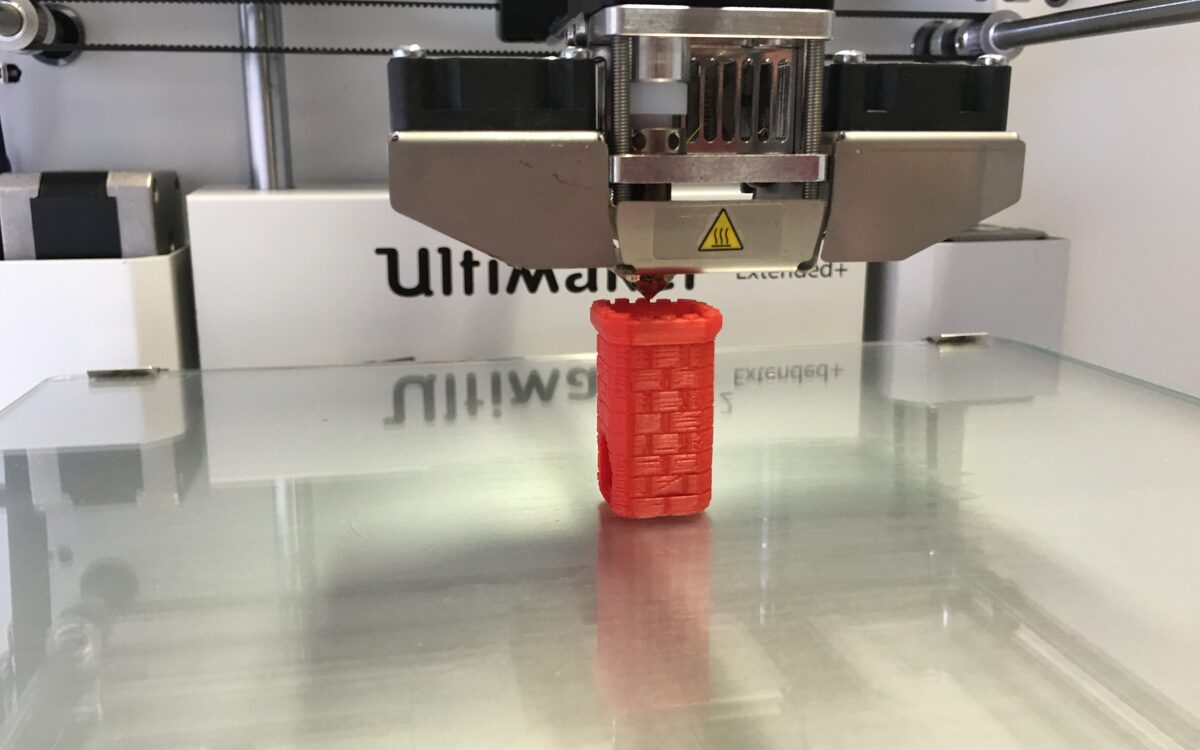
Additive manufacturing (AM) builds a part layer by layer from a digital model, so geometric complexity is nearly free and no mold or tooling is needed. That inverts traditional economics: where machining or injection molding gets cheaper per unit at scale, AM stays roughly flat - which is exactly why it wins for the right jobs and loses for the wrong ones.
The market reflects a shift from novelty to production. Analysts size the AM market near USD 37-38 billion in 2026, projected to grow around 24% CAGR toward the 2030s, and end-use part production has overtaken prototyping and tooling as the leading use case. Automotive and aerospace/defense remain the largest verticals.
The honest caveat: AM is not a general-purpose factory. For high-volume, simple, commodity parts, traditional methods are still far cheaper and faster. Print quality, material properties, and post-processing all need validation - a printed part is not automatically a certified part.
How to start: target where AM's strengths pay - complex geometries, lightweighting, low-volume or custom runs, spare parts on demand, and consolidating an assembly into a single printed piece. Prove the business case (cost per part, lead time, certification path) before committing a production line.
Additive manufacturing (AM) membangun komponen lapis demi lapis dari model digital, sehingga kompleksitas geometri nyaris gratis dan tak perlu cetakan atau tooling. Itu membalik ekonomi tradisional: bila machining atau injection molding makin murah per unit pada skala besar, AM cenderung datar - persis alasan ia unggul untuk pekerjaan yang tepat dan kalah untuk yang salah.
Pasar mencerminkan pergeseran dari kebaruan ke produksi. Analis menaksir pasar AM sekitar USD 37-38 miliar pada 2026, diproyeksikan tumbuh sekitar 24% CAGR menuju 2030-an, dan produksi komponen pakai-akhir telah melampaui prototyping dan tooling sebagai kegunaan utama. Otomotif serta dirgantara/pertahanan tetap vertikal terbesar.
Catatan jujurnya: AM bukan pabrik serba-guna. Untuk komponen komoditas sederhana bervolume tinggi, metode tradisional masih jauh lebih murah dan cepat. Kualitas cetak, sifat material, dan pasca-proses semua perlu validasi - komponen cetak tidak otomatis jadi komponen tersertifikasi.
Cara memulai: bidik tempat kekuatan AM terbayar - geometri kompleks, peringanan bobot, produksi volume rendah atau kustom, suku cadang sesuai permintaan, dan menyatukan satu rakitan menjadi satu bagian cetak. Buktikan kasus bisnisnya (biaya per komponen, lead time, jalur sertifikasi) sebelum menetapkan lini produksi.
Additive Fertigung (AM) baut ein Teil Schicht für Schicht aus einem digitalen Modell, sodass geometrische Komplexität nahezu kostenlos ist und keine Form oder Werkzeuge nötig sind. Das kehrt die traditionelle Wirtschaftlichkeit um: Während Zerspanung oder Spritzguss bei Skalierung pro Einheit günstiger werden, bleibt AM in etwa gleich – genau deshalb gewinnt sie bei den richtigen Aufgaben und verliert bei den falschen.
Der Markt spiegelt eine Verschiebung von der Neuheit zur Produktion wider. Analysten beziffern den AM-Markt 2026 auf nahezu USD 37-38 billion, mit einem prognostizierten Wachstum von rund 24% CAGR in Richtung der 2030er, und die Produktion von Endverbrauchsteilen hat Prototyping und Werkzeugbau überholt als führenden Anwendungsfall. Automobil sowie Luft-/Raumfahrt und Verteidigung bleiben die größten Branchen.
Der ehrliche Vorbehalt: AM ist keine Allzweckfabrik. Für einfache Massenteile in hohen Stückzahlen sind traditionelle Verfahren nach wie vor weitaus günstiger und schneller. Druckqualität, Materialeigenschaften und Nachbearbeitung müssen alle validiert werden – ein gedrucktes Teil ist nicht automatisch ein zertifiziertes Teil.
Wie man startet: Zielen Sie dorthin, wo sich die Stärken von AM auszahlen – komplexe Geometrien, Leichtbau, Kleinserien oder kundenspezifische Läufe, Ersatzteile auf Abruf und die Zusammenführung einer Baugruppe zu einem einzigen gedruckten Teil. Weisen Sie den Business Case nach (Kosten pro Teil, Durchlaufzeit, Zertifizierungspfad), bevor Sie eine Produktionslinie festlegen.
Founder & Principal EngineerPendiri & Principal EngineerFounder & Principal EngineerFounder & Principal Engineer
InsightsWawasan洞察Einblicke
6 min read6 mnt baca6 分钟阅读6 Min. Lesezeit
The EU AI Act in 2026: What Actually Takes Effect, and What Slipped to 2027EU AI Act di 2026: Apa yang Benar-benar Berlaku, dan Apa yang Mundur ke 20272026 年的 EU AI Act:什么真正生效,以及什么被推迟到 2027 年Der EU AI Act 2026: Was tatsächlich in Kraft tritt und was auf 2027 verschoben wurde
The EU AI Act is the first broad, risk-based AI law, and it applies extraterritorially - if your system is used in the EU it can reach you regardless of where you build it. It sorts uses into tiers: prohibited, high-risk, limited-risk (transparency), and minimal.
The timeline matters. The Act entered into force in August 2024; bans on prohibited practices and the general-purpose AI (GPAI) obligations already apply. From August 2026, the Article 50 transparency duties take effect - for example, telling users they are interacting with an AI and labelling AI-generated or manipulated content. Under a 2026 Digital Omnibus agreement, the heaviest high-risk (Annex III) obligations were deferred from August 2026 to December 2027.
The honest caveat: deferral is not a reprieve. Transparency duties still land in 2026, GPAI rules are already live, and building compliant documentation, logging, and human oversight after the fact is far harder than designing for it now. Penalties scale into the tens of millions of euros or a percentage of global turnover.
How to start: inventory where you use AI, classify each use by tier, and begin with the 2026 transparency items (disclosure, content labelling). For anything high-risk, use the extra runway to build data governance, risk management, and human-oversight now rather than in late 2027.
EU AI Act adalah undang-undang AI berbasis-risiko pertama yang luas, dan berlaku ekstrateritorial - bila sistem Anda dipakai di UE, ia bisa menjangkau Anda di mana pun Anda membangunnya. Ia memilah kegunaan ke dalam tingkatan: terlarang, risiko-tinggi, risiko-terbatas (transparansi), dan minimal.
Lini waktunya penting. UU ini berlaku sejak Agustus 2024; larangan praktik terlarang dan kewajiban general-purpose AI (GPAI) sudah berlaku. Sejak Agustus 2026, kewajiban transparansi Pasal 50 mulai berlaku - misalnya memberi tahu pengguna bahwa mereka berinteraksi dengan AI dan melabeli konten hasil atau manipulasi AI. Berdasarkan kesepakatan Digital Omnibus 2026, kewajiban risiko-tinggi (Annex III) terberat ditunda dari Agustus 2026 ke Desember 2027.
Catatan jujurnya: penundaan bukan pembebasan. Kewajiban transparansi tetap berlaku pada 2026, aturan GPAI sudah aktif, dan membangun dokumentasi, logging, serta pengawasan manusia yang patuh secara belakangan jauh lebih sulit daripada merancangnya sekarang. Dendanya mencapai puluhan juta euro atau persentase dari omzet global.
Cara memulai: inventarisasi di mana Anda memakai AI, klasifikasikan tiap kegunaan menurut tingkatan, dan mulai dari item transparansi 2026 (pengungkapan, pelabelan konten). Untuk apa pun yang berisiko-tinggi, gunakan waktu ekstra untuk membangun tata kelola data, manajemen risiko, dan pengawasan manusia sekarang, bukan menjelang akhir 2027.
Der EU AI Act ist das erste umfassende, risikobasierte AI-Gesetz und gilt extraterritorial – wird Ihr System in der EU genutzt, kann es Sie erreichen, unabhängig davon, wo Sie es bauen. Es ordnet Nutzungen in Stufen ein: verboten, hochriskant, begrenztes Risiko (Transparenz) und minimal.
Der Zeitplan zählt. Das Gesetz trat im August 2024 in Kraft; Verbote unzulässiger Praktiken und die Pflichten für General-Purpose AI (GPAI) gelten bereits. Ab August 2026 treten die Transparenzpflichten nach Artikel 50 in Kraft – zum Beispiel Nutzern mitzuteilen, dass sie mit einer AI interagieren, und AI-generierte oder manipulierte Inhalte zu kennzeichnen. Im Rahmen einer Digital-Omnibus-Vereinbarung von 2026 wurden die schwersten Hochrisiko-Pflichten (Annex III) von August 2026 auf Dezember 2027 verschoben.
Der ehrliche Vorbehalt: Ein Aufschub ist keine Begnadigung. Transparenzpflichten treffen dennoch 2026 ein, GPAI-Regeln sind bereits in Kraft, und konforme Dokumentation, Logging und menschliche Aufsicht nachträglich aufzubauen ist weitaus schwieriger, als jetzt dafür zu entwerfen. Die Bußgelder reichen bis in zweistellige Millionenbeträge in Euro oder einen Prozentsatz des weltweiten Umsatzes.
Wie man startet: Erfassen Sie, wo Sie AI einsetzen, klassifizieren Sie jede Nutzung nach Stufe und beginnen Sie mit den Transparenzpunkten 2026 (Offenlegung, Inhaltskennzeichnung). Nutzen Sie für alles Hochriskante den zusätzlichen Vorlauf, um Data Governance, Risikomanagement und menschliche Aufsicht jetzt aufzubauen und nicht erst Ende 2027.
Founder & Principal EngineerPendiri & Principal EngineerFounder & Principal EngineerFounder & Principal Engineer
IoT & EdgeIoT & EdgeIoT 与边缘IoT & Edge
6 min read6 mnt baca6 分钟阅读6 Min. Lesezeit
RFID for Inventory: The Jump from 65% to 98% Accuracy, and Its Fine PrintRFID untuk Inventaris: Lompatan Akurasi 65% ke 98%, dan Syarat Kecilnya用于库存的 RFID:从 65% 到 98% 精度的跃升,以及它的附加条款RFID für die Bestandsführung: Der Sprung von 65% auf 98% Genauigkeit und das Kleingedruckte
An RFID tag carries a unique ID read by radio, so a handheld or overhead reader can capture hundreds of items at once without line of sight - unlike a barcode, which must be scanned one at a time. For high-SKU categories like apparel, that turns a full stock count from hours into minutes.
The accuracy story is the draw. Studies commonly cite inventory accuracy rising from a retail average around 65% to 95-99% with item-level RFID, with counts that once took most of a shift finished in a fraction of the time. The UHF band used for this now underpins a reader-hardware market near USD 1 billion in 2026, driven mostly by inventory-accuracy use cases.
The honest caveat: physics sets limits. UHF signals are absorbed by water and reflected by metal, so tags on liquids, canned goods, or dense metal need careful placement and testing. Tag cost, reader infrastructure, and source encoding add up - RFID shines on higher-value, high-count goods, less so on cheap bulk items.
How to start: pilot on one category where miscounts hurt most (apparel, electronics), validate read rates in your actual environment before rolling out, and wire the counts into replenishment - accuracy only pays when it changes an order. Treat RFID as complementary to barcodes, not a wholesale replacement.
Tag RFID membawa ID unik yang dibaca lewat radio, sehingga pembaca genggam atau overhead bisa menangkap ratusan item sekaligus tanpa garis pandang - beda dari barcode yang harus dipindai satu per satu. Untuk kategori ber-SKU tinggi seperti apparel, itu mengubah penghitungan stok penuh dari berjam-jam menjadi hitungan menit.
Kisah akurasinya adalah daya tariknya. Studi umumnya menyebut akurasi inventaris naik dari rata-rata ritel sekitar 65% ke 95-99% dengan RFID level-item, dengan penghitungan yang dulu memakan hampir satu shift kini selesai dalam sebagian kecil waktu. Pita UHF yang dipakai untuk ini kini menopang pasar perangkat pembaca mendekati USD 1 miliar pada 2026, terutama didorong kegunaan akurasi inventaris.
Catatan jujurnya: fisika punya batas. Sinyal UHF diserap air dan dipantulkan logam, jadi tag pada cairan, kaleng, atau logam padat butuh penempatan dan pengujian cermat. Biaya tag, infrastruktur pembaca, dan encoding di sumber semua menumpuk - RFID bersinar pada barang bernilai lebih tinggi dan bervolume-hitung banyak, kurang pada barang curah murah.
Cara memulai: uji pada satu kategori yang paling terluka oleh salah-hitung (apparel, elektronik), validasi tingkat baca di lingkungan nyata Anda sebelum peluncuran, dan alirkan hasil hitung ke replenishment - akurasi baru terbayar bila mengubah sebuah pesanan. Perlakukan RFID sebagai pelengkap barcode, bukan pengganti total.
Ein RFID-Tag trägt eine eindeutige ID, die per Funk gelesen wird, sodass ein Handheld- oder Overhead-Lesegerät Hunderte von Artikeln auf einmal ohne Sichtverbindung erfassen kann – anders als ein Barcode, der einzeln gescannt werden muss. Für SKU-reiche Kategorien wie Bekleidung verwandelt das eine vollständige Bestandszählung von Stunden in Minuten.
Die Genauigkeitsgeschichte ist der Reiz. Studien führen häufig an, dass die Bestandsgenauigkeit mit artikelgenauem RFID von einem Handelsdurchschnitt von rund 65% auf 95-99% steigt, wobei Zählungen, die einst einen Großteil einer Schicht dauerten, in einem Bruchteil der Zeit fertig sind. Das dafür genutzte UHF-Band trägt heute einen Markt für Lesegeräte-Hardware von nahezu USD 1 billion im Jahr 2026, vor allem getrieben von Anwendungsfällen der Bestandsgenauigkeit.
Der ehrliche Vorbehalt: Die Physik setzt Grenzen. UHF-Signale werden von Wasser absorbiert und von Metall reflektiert, daher brauchen Tags auf Flüssigkeiten, Konserven oder dichtem Metall eine sorgfältige Platzierung und Erprobung. Tag-Kosten, Lesegeräte-Infrastruktur und Source-Encoding summieren sich – RFID glänzt bei höherwertigen Gütern in hoher Stückzahl, weniger bei billigen Massenartikeln.
Wie man startet: Pilotieren Sie in einer Kategorie, in der Fehlzählungen am meisten schmerzen (Bekleidung, Elektronik), validieren Sie die Leseraten in Ihrer tatsächlichen Umgebung vor dem Rollout und binden Sie die Zählungen in die Nachbestellung ein – Genauigkeit zahlt sich nur aus, wenn sie eine Bestellung verändert. Behandeln Sie RFID als Ergänzung zu Barcodes, nicht als vollständigen Ersatz.
Founder & Principal EngineerPendiri & Principal EngineerFounder & Principal EngineerFounder & Principal Engineer
IoT & EdgeIoT & EdgeIoT 与边缘IoT & Edge
6 min read6 mnt baca6 分钟阅读6 Min. Lesezeit
Predictive Maintenance with IoT Sensors: Read the ROI Before You Wire UpPredictive Maintenance dengan Sensor IoT: Baca ROI-nya Sebelum Memasang基于 IoT 传感器的预测性维护:在布线之前先读懂 ROIVorausschauende Wartung mit IoT-Sensoren: Lesen Sie den ROI, bevor Sie verkabeln
Most maintenance still runs one of two ways: fix it after it breaks (reactive), or service it on a fixed calendar whether it needs attention or not (preventive). Predictive maintenance (PdM) adds a third path - IoT sensors for vibration, temperature, current, and acoustics stream an asset's condition to a model that flags the early signs of failure, so a repair can be scheduled before the breakdown rather than after.
The reported operating gains are moderate but real. Deloitte's analysis puts equipment uptime and availability up 10-20%, maintenance planning time down 20-50%, and overall maintenance costs down 5-10% where PdM is applied well. The market reflects the interest: research firms size predictive maintenance near USD 10-16 billion in 2026 with double-digit annual growth - though individual forecasts vary widely, so treat any single number as a directional estimate.
The honest caveat: PdM only pays off when a failure is gradual and detectable by the sensor you chose, and when you have a healthy baseline to compare against. Sudden, random failures and noisy data produce false alarms - and a model that cries wolf gets muted, which erases the value. It sharpens a maintenance plan; it does not replace engineering judgment.
How to start: instrument one critical, failure-prone asset rather than wiring the whole plant. Capture a baseline of "normal" across a few operating cycles, alert on meaningful deviation, and validate each prediction against what actually happened before trusting it. Then route alerts into a real work-order workflow, not just a dashboard - a warning nobody acts on is the same as no warning.
Kebanyakan pemeliharaan masih berjalan dengan dua cara: perbaiki setelah rusak (reaktif), atau servis sesuai kalender tetap entah butuh atau tidak (preventif). Predictive maintenance (PdM) menambah jalur ketiga - sensor IoT untuk getaran, suhu, arus, dan akustik mengalirkan kondisi aset ke sebuah model yang menandai gejala awal kegagalan, sehingga perbaikan bisa dijadwalkan sebelum kerusakan, bukan sesudah.
Perolehan operasionalnya moderat tapi nyata. Analisis Deloitte menaksir uptime dan ketersediaan alat naik 10-20%, waktu perencanaan pemeliharaan turun 20-50%, dan total biaya pemeliharaan turun 5-10% bila PdM diterapkan dengan baik. Pasar mencerminkan minat itu: lembaga riset menaksir nilai predictive maintenance sekitar USD 10-16 miliar pada 2026 dengan pertumbuhan tahunan dua digit - meski proyeksi tiap lembaga berbeda jauh, jadi perlakukan satu angka mana pun sebagai estimasi arah saja.
Catatan jujurnya: PdM baru menguntungkan bila kegagalannya bertahap dan terdeteksi oleh sensor yang Anda pilih, dan bila ada baseline sehat sebagai pembanding. Kegagalan mendadak yang acak serta data berisik menghasilkan alarm palsu - dan model yang terlalu sering "berteriak serigala" akan diabaikan, sehingga nilainya hilang. Ia mempertajam rencana pemeliharaan, bukan menggantikan pertimbangan teknik.
Cara memulai: pasang sensor pada satu aset kritis yang rawan gagal, bukan seluruh pabrik. Rekam baseline "normal" selama beberapa siklus operasi, beri peringatan saat ada penyimpangan berarti, dan validasi tiap prediksi terhadap kejadian nyata sebelum memercayainya. Lalu alirkan peringatan ke alur work-order nyata, bukan sekadar dashboard - peringatan yang tak ditindaklanjuti sama saja dengan tanpa peringatan.
Die meiste Wartung läuft weiterhin auf eine von zwei Arten: reparieren, nachdem etwas kaputtgeht (reaktiv), oder nach festem Kalender warten, ob es Aufmerksamkeit braucht oder nicht (präventiv). Vorausschauende Wartung (PdM) fügt einen dritten Weg hinzu – IoT-Sensoren für Vibration, Temperatur, Strom und Akustik übertragen den Zustand eines Anlageguts an ein Modell, das die frühen Anzeichen eines Ausfalls markiert, sodass eine Reparatur vor dem Ausfall statt danach geplant werden kann.
Die berichteten Betriebsgewinne sind moderat, aber real. Die Analyse von Deloitte beziffert, wo PdM gut angewandt wird, Betriebszeit und Verfügbarkeit der Ausrüstung um 10-20% höher, die Wartungsplanungszeit um 20-50% niedriger und die Gesamtwartungskosten um 5-10% niedriger. Der Markt spiegelt das Interesse wider: Forschungsunternehmen beziffern die vorausschauende Wartung 2026 auf nahezu USD 10-16 billion mit zweistelligem jährlichem Wachstum – doch die einzelnen Prognosen schwanken stark, betrachten Sie also jede einzelne Zahl als Richtungsschätzung.
Der ehrliche Vorbehalt: PdM zahlt sich nur aus, wenn ein Ausfall allmählich und durch den von Ihnen gewählten Sensor erkennbar ist und wenn Sie eine gesunde Basislinie zum Vergleich haben. Plötzliche, zufällige Ausfälle und verrauschte Daten erzeugen Fehlalarme – und ein Modell, das ständig „Wolf" ruft, wird stummgeschaltet, was den Nutzen zunichtemacht. Es schärft einen Wartungsplan; es ersetzt nicht das ingenieurtechnische Urteil.
Wie man startet: Statten Sie ein kritisches, ausfallanfälliges Anlagengut mit Sensoren aus, statt die ganze Anlage zu verkabeln. Erfassen Sie über einige Betriebszyklen eine Basislinie des „Normalzustands", alarmieren Sie bei bedeutsamer Abweichung und validieren Sie jede Vorhersage anhand des tatsächlich Eingetretenen, bevor Sie ihr vertrauen. Leiten Sie Alarme dann in einen echten Arbeitsauftrags-Workflow, nicht nur in ein Dashboard – eine Warnung, auf die niemand reagiert, ist dasselbe wie keine Warnung.
Founder & Principal EngineerPendiri & Principal EngineerFounder & Principal EngineerFounder & Principal Engineer
AI & TechAI & TeknologiAI 与技术KI & Technik
6 min read6 mnt baca6 分钟阅读6 Min. Lesezeit
Small Language Models: When 90% of the Capability at 10% of the Cost Is the Right TradeSmall Language Model: Saat 90% Kemampuan dengan 10% Biaya Adalah Pilihan yang Tepat小语言模型:当以 10% 的成本获得 90% 的能力成为正确的取舍Small Language Models: Wenn 90% der Leistung zu 10% der Kosten der richtige Kompromiss sind
The reflex for anything AI is still "call the biggest cloud model." But for a large share of real enterprise work - classifying a support ticket into 200+ categories, pulling clauses from a contract, reading transaction logs - a small language model (SLM) is the more sensible fit.
The reported economics are hard to ignore. Analyses put SLMs at roughly 90% of large-model capability for about 10% of the cost, and in agentic workflows an estimated 80-90% of the steps can stay local on a 3-9B model. On NPU hardware these can respond in under 100ms. Gartner's 2025 AI infrastructure data reports enterprise spending on local model execution up 40% year over year.
Why it matters beyond price: data residency and latency. A model that runs on your own machine keeps sensitive records in-house and answers without a round-trip. The SLM market itself is projected to grow from about USD 7.8 billion (2023) toward USD 20.7 billion by 2030 (~15.1% CAGR).
Practical rule: reserve a frontier model for genuinely hard reasoning, and route the high-volume, well-defined steps to a task-specific SLM. Measure quality on your own data before assuming bigger is better.
Refleks untuk apa pun soal AI masih "panggil model cloud terbesar". Padahal untuk sebagian besar pekerjaan enterprise nyata - mengklasifikasi tiket dukungan ke 200+ kategori, menarik klausul kontrak, membaca log transaksi - small language model (SLM) justru lebih pas.
Ekonominya sulit diabaikan. Berbagai analisis menaksir SLM memberi sekitar 90% kemampuan model besar dengan ~10% biaya, dan dalam alur agentik diperkirakan 80-90% langkah bisa berjalan lokal di model 3-9B. Di perangkat NPU, responsnya bisa di bawah 100ms. Data infrastruktur AI Gartner 2025 melaporkan belanja eksekusi model lokal naik 40% dari tahun sebelumnya.
Yang penting di luar harga: residensi data dan latensi. Model yang berjalan di mesin sendiri menjaga data sensitif tetap di dalam dan menjawab tanpa round-trip. Pasar SLM sendiri diproyeksikan tumbuh dari sekitar USD 7,8 miliar (2023) menuju USD 20,7 miliar pada 2030 (~15,1% CAGR).
Aturan praktis: sisakan model frontier untuk penalaran yang benar-benar sulit, dan arahkan langkah bervolume tinggi yang terdefinisi jelas ke SLM spesifik-tugas. Ukur kualitas pada data Anda sendiri sebelum menganggap yang lebih besar pasti lebih baik.
Der Reflex bei allem, was mit AI zu tun hat, ist noch immer "das größte Cloud-Modell aufrufen". Doch für einen großen Teil echter Unternehmensarbeit – die Klassifizierung eines Support-Tickets in 200+ Kategorien, das Herausziehen von Klauseln aus einem Vertrag, das Lesen von Transaktionsprotokollen – ist ein Small Language Model (SLM) die sinnvollere Wahl.
Die berichtete Wirtschaftlichkeit lässt sich schwer ignorieren. Analysen beziffern SLMs auf rund 90% der Leistung großer Modelle bei etwa 10% der Kosten, und in agentischen Workflows können schätzungsweise 80-90% der Schritte lokal auf einem 3-9B-Modell bleiben. Auf NPU-Hardware können diese in unter 100ms antworten. Gartners AI-Infrastrukturdaten von 2025 berichten, dass die Unternehmensausgaben für die lokale Modellausführung um 40% im Jahresvergleich gestiegen sind.
Warum es über den Preis hinaus zählt: Datenresidenz und Latenz. Ein Modell, das auf der eigenen Maschine läuft, hält sensible Daten im Haus und antwortet ohne Round-Trip. Der SLM-Markt selbst soll von etwa USD 7.8 billion (2023) auf USD 20.7 billion bis 2030 wachsen (~15.1% CAGR).
Praktische Regel: Reservieren Sie ein Frontier-Modell für wirklich schwieriges Reasoning und leiten Sie die hochvolumigen, klar definierten Schritte an ein aufgabenspezifisches SLM. Messen Sie die Qualität an Ihren eigenen Daten, bevor Sie annehmen, dass größer besser ist.
Founder & Principal EngineerPendiri & Principal EngineerFounder & Principal EngineerFounder & Principal Engineer
InsightsWawasan洞察Einblicke
6 min read6 mnt baca6 分钟阅读6 Min. Lesezeit
Computer Vision for Workplace Safety: What the Compliance Numbers ShowComputer Vision untuk Keselamatan Kerja: Apa Kata Angka Kepatuhannya面向职场安全的计算机视觉:合规数据揭示了什么Computer Vision für die Arbeitssicherheit: Was die Compliance-Zahlen zeigen
Cameras already watch most industrial sites; the change is that models can now read those feeds for safety in real time. Peer-reviewed work reports 92%+ mean average precision on PPE and proximity-hazard detection, and some commercial platforms report accuracy above 95%.
The operational case is what drives budgets. OSHA-cited studies find effective safety programs return USD 4-6 for every USD 1 invested. Vision deployments have reported 30-60% fewer recordable incidents in the first year, and one retailer reported an 80% drop in incidents after adding AI video analytics. The PPE-detection market is projected to grow from USD 70.6 billion (2024) to USD 112.9 billion by 2030.
Where to start: pick one clear, high-value rule - hard-hat or safety-vest compliance in a defined zone - rather than boiling the ocean. Run inference on-site so worker footage never leaves the building, and treat alerts as coaching, not surveillance.
Reported results tend to arrive fast (some sites cite a 62% violation reduction in 30 days), but sustained value comes from wiring detections into an actual response workflow, not just a dashboard.
Kamera sudah mengawasi sebagian besar lokasi industri; yang berubah adalah model kini bisa membaca umpan itu untuk keselamatan secara real time. Riset terpublikasi melaporkan mean average precision 92%+ pada deteksi APD dan bahaya jarak, dan beberapa platform komersial melaporkan akurasi di atas 95%.
Yang mendorong anggaran adalah sisi operasional. Studi yang dikutip OSHA menemukan program keselamatan yang efektif mengembalikan USD 4-6 untuk setiap USD 1. Penerapan vision melaporkan insiden tercatat turun 30-60% pada tahun pertama, dan satu peritel melaporkan insiden turun 80% setelah menambah analitik video AI. Pasar deteksi APD diproyeksikan tumbuh dari USD 70,6 miliar (2024) ke USD 112,9 miliar pada 2030.
Mulai dari mana: pilih satu aturan jelas bernilai tinggi - kepatuhan helm atau rompi di zona tertentu - alih-alih mencakup semuanya. Jalankan inferensi di lokasi agar rekaman pekerja tak keluar gedung, dan perlakukan peringatan sebagai pembinaan, bukan pengawasan.
Hasil yang dilaporkan cenderung datang cepat (beberapa lokasi menyebut pelanggaran turun 62% dalam 30 hari), tetapi nilai berkelanjutan datang dari menghubungkan deteksi ke alur respons nyata, bukan sekadar dashboard.
Kameras überwachen bereits die meisten Industriestandorte; die Veränderung besteht darin, dass Modelle diese Feeds nun in Echtzeit für die Sicherheit auswerten können. Peer-reviewte Arbeiten berichten von einer mean average precision von 92%+ bei der PPE- und Näherungsgefahrenerkennung, und einige kommerzielle Plattformen berichten von einer Genauigkeit über 95%.
Was Budgets antreibt, ist der betriebliche Business Case. Von OSHA zitierte Studien zeigen, dass wirksame Sicherheitsprogramme USD 4-6 für jeden investierten USD 1 zurückbringen. Vision-Einsätze berichten von 30-60% weniger meldepflichtigen Vorfällen im ersten Jahr, und ein Einzelhändler berichtete von einem Rückgang der Vorfälle um 80% nach Einführung von AI-Videoanalyse. Der Markt für PPE-Erkennung soll von USD 70.6 billion (2024) auf USD 112.9 billion bis 2030 wachsen.
Wo man anfängt: Wählen Sie eine klare, hochwertige Regel – Helm- oder Warnwestenpflicht in einer definierten Zone – statt alles auf einmal lösen zu wollen. Führen Sie die Inferenz vor Ort aus, damit Aufnahmen der Mitarbeiter das Gebäude nie verlassen, und behandeln Sie Warnmeldungen als Coaching, nicht als Überwachung.
Berichtete Ergebnisse stellen sich tendenziell schnell ein (einige Standorte nennen eine Reduzierung der Verstöße um 62% in 30 Tagen), doch nachhaltiger Wert entsteht, wenn Erkennungen in einen echten Reaktions-Workflow eingebunden werden, nicht nur in ein Dashboard.
Founder & Principal EngineerPendiri & Principal EngineerFounder & Principal EngineerFounder & Principal Engineer
Software DevSoftware Dev软件开发Softwareentwicklung
7 min read7 mnt baca7 分钟阅读7 Min. Lesezeit
Digital Twins in Manufacturing: A Practical Read on the 2026 NumbersDigital Twin di Manufaktur: Membaca Angka 2026 secara Praktis制造业中的数字孪生:对 2026 年数据的务实解读Digitale Zwillinge in der Fertigung: Eine praktische Lesart der Zahlen für 2026
A digital twin is a software model of a physical asset kept in sync with live sensor data, so you can simulate and predict instead of just react. Adoption is moving from pilots to production: reports say over 40% of manufacturers are piloting or deploying twins, higher in aerospace, automotive, and energy.
The reported outcomes are the draw. Companies using twins cite ~65% reductions in unplanned downtime, 25-55% lower maintenance costs, and faster decision cycles, with ~92% reporting ROI above 10% and payback commonly in 12-36 months (sometimes 3-6). NIST has estimated adoption could yield USD 37.9 billion in annual U.S. manufacturing benefits. The market is projected near USD 49.5 billion in 2026, growing ~31% CAGR toward 2033.
The catch worth naming: a twin is only as good as the data feeding it. Without clean asset models and reliable telemetry, you get a convincing picture that quietly drifts from reality.
How to start small: twin one critical, failure-prone machine, validate its predictions against what actually happens for a few cycles, then widen scope once the model has earned trust.
Digital twin adalah model perangkat lunak dari aset fisik yang dijaga sinkron dengan data sensor langsung, sehingga Anda bisa menyimulasikan dan memprediksi, bukan sekadar bereaksi. Adopsinya bergerak dari pilot ke produksi: laporan menyebut lebih dari 40% produsen sedang piloting atau men-deploy twin, lebih tinggi di dirgantara, otomotif, dan energi.
Yang menarik adalah hasil yang dilaporkan. Perusahaan pemakai twin menyebut downtime tak terduga turun ~65%, biaya pemeliharaan turun 25-55%, dan siklus keputusan lebih cepat, dengan ~92% melaporkan ROI di atas 10% dan payback umumnya 12-36 bulan (kadang 3-6). NIST memperkirakan adopsinya bisa menghasilkan USD 37,9 miliar manfaat manufaktur AS per tahun. Pasarnya diproyeksikan mendekati USD 49,5 miliar pada 2026, tumbuh ~31% CAGR menuju 2033.
Yang perlu disebut jujur: twin hanya sebaik data yang memberinya makan. Tanpa model aset yang bersih dan telemetri andal, Anda mendapat gambaran meyakinkan yang diam-diam melenceng dari kenyataan.
Cara memulai kecil: twin-kan satu mesin kritis yang rawan gagal, validasi prediksinya terhadap kejadian nyata selama beberapa siklus, lalu perluas cakupan setelah model terbukti layak dipercaya.
Ein digitaler Zwilling ist ein Softwaremodell eines physischen Assets, das mit Live-Sensordaten synchron gehalten wird, sodass Sie simulieren und vorhersagen können, statt nur zu reagieren. Die Einführung bewegt sich von Piloten zur Produktion: Berichten zufolge testen oder implementieren über 40% der Hersteller Zwillinge, mit höheren Anteilen in Luft- und Raumfahrt, Automobil und Energie.
Die berichteten Ergebnisse sind der Anreiz. Unternehmen, die Zwillinge nutzen, nennen ~65% weniger ungeplante Ausfallzeiten, 25-55% niedrigere Wartungskosten und schnellere Entscheidungszyklen, wobei ~92% einen ROI über 10% berichten und sich die Amortisation üblicherweise in 12-36 Monaten (manchmal 3-6) einstellt. NIST hat geschätzt, dass die Einführung USD 37.9 billion an jährlichem Nutzen für die US-Fertigung erbringen könnte. Der Markt wird für 2026 auf nahezu USD 49.5 billion geschätzt und wächst mit ~31% CAGR bis 2033.
Der Haken, den man benennen sollte: Ein Zwilling ist nur so gut wie die Daten, die ihn speisen. Ohne saubere Asset-Modelle und zuverlässige Telemetrie erhalten Sie ein überzeugendes Bild, das sich still von der Realität entfernt.
Wie man klein anfängt: Bilden Sie eine kritische, ausfallanfällige Maschine als Zwilling ab, validieren Sie ihre Vorhersagen über einige Zyklen hinweg gegen das tatsächliche Geschehen und erweitern Sie den Umfang, sobald das Modell Vertrauen verdient hat.
Founder & Principal EngineerPendiri & Principal EngineerFounder & Principal EngineerFounder & Principal Engineer
HardwareHardware硬件Hardware
6 min read6 mnt baca6 分钟阅读6 Min. Lesezeit
Cobots for Smaller Factories: Why the Payback Math Now WorksCobot untuk Pabrik Kecil: Mengapa Hitungan Paybacknya Kini Masuk Akal面向小型工厂的协作机器人:为何投资回报的算术如今说得通Cobots für kleinere Fabriken: Warum die Amortisationsrechnung jetzt aufgeht
Collaborative robots (cobots) are built to work next to people rather than behind a safety cage, which lowers the integration cost that used to keep automation out of smaller operations. Reports now put around 48% of industrial SMEs adopting cobots, often to cover workforce gaps.
The economics are the story. The cobot market is projected to grow from about USD 2.8 billion (2026) to USD 10.9 billion by 2033 (~21.4% CAGR). Reported payback is commonly 12-24 months, and for simple high-labour tasks as short as ~6 months - one major vendor documents an average of roughly 195 days across SME deployments. Asia-Pacific leads installs with around 42% share.
Where cobots fit best: repetitive, ergonomically hard, or hard-to-staff tasks - machine tending, pick-and-place, palletising, inspection handling. They augment a line rather than replace it wholesale.
Before buying: time the target task, cost the current labour and error rate, and confirm the safety assessment for shared workspace. The payback case should be concrete on paper before a robot arrives.
Robot kolaboratif (cobot) dirancang bekerja di samping manusia, bukan di balik pagar pengaman, sehingga menekan biaya integrasi yang dulu menjauhkan otomasi dari operasi kecil. Laporan kini menyebut sekitar 48% UKM industri mengadopsi cobot, sering untuk menutup kekurangan tenaga kerja.
Ekonominya adalah intinya. Pasar cobot diproyeksikan tumbuh dari sekitar USD 2,8 miliar (2026) ke USD 10,9 miliar pada 2033 (~21,4% CAGR). Payback yang dilaporkan umumnya 12-24 bulan, dan untuk tugas padat-tenaga sederhana sesingkat ~6 bulan - satu vendor besar mencatat rata-rata sekitar 195 hari di penerapan UKM. Asia-Pasifik memimpin instalasi dengan sekitar 42% pangsa.
Di mana cobot paling pas: tugas repetitif, berat secara ergonomis, atau sulit diisi tenaga - machine tending, pick-and-place, palletising, penanganan inspeksi. Ia melengkapi lini, bukan menggantikannya sekaligus.
Sebelum membeli: ukur waktu tugas sasaran, hitung biaya tenaga dan tingkat kesalahan saat ini, dan pastikan asesmen keselamatan untuk ruang kerja bersama. Kasus payback harus konkret di atas kertas sebelum robot datang.
Kollaborative Roboter (Cobots) sind dafür gebaut, neben Menschen zu arbeiten statt hinter einem Schutzkäfig, was die Integrationskosten senkt, die Automatisierung früher von kleineren Betrieben ferngehalten haben. Berichte beziffern inzwischen, dass rund 48% der industriellen KMU Cobots einsetzen, oft um Personallücken zu schließen.
Die Wirtschaftlichkeit ist die eigentliche Geschichte. Der Cobot-Markt soll von etwa USD 2.8 billion (2026) auf USD 10.9 billion bis 2033 wachsen (~21.4% CAGR). Die berichtete Amortisation liegt üblicherweise bei 12-24 Monaten und bei einfachen, arbeitsintensiven Aufgaben bei nur ~6 Monaten – ein großer Anbieter dokumentiert über KMU-Einsätze hinweg einen Durchschnitt von rund 195 Tagen. Der asiatisch-pazifische Raum führt bei den Installationen mit einem Anteil von rund 42%.
Wo Cobots am besten passen: repetitive, ergonomisch belastende oder schwer zu besetzende Aufgaben – Maschinenbeschickung, Pick-and-Place, Palettieren, Prüfhandling. Sie ergänzen eine Linie, statt sie komplett zu ersetzen.
Vor dem Kauf: Messen Sie die Zeit der Zielaufgabe, beziffern Sie die aktuellen Arbeitskosten und die Fehlerquote und bestätigen Sie die Sicherheitsbewertung für den gemeinsamen Arbeitsbereich. Der Amortisationsfall sollte auf dem Papier konkret sein, bevor ein Roboter eintrifft.
Founder & Principal EngineerPendiri & Principal EngineerFounder & Principal EngineerFounder & Principal Engineer
Software DevSoftware Dev软件开发Softwareentwicklung
7 min read7 mnt baca7 分钟阅读7 Min. Lesezeit
Agentic Coding, Measured: Adoption Is High, Returns Are UnevenAgentic Coding, Diukur: Adopsi Tinggi, Hasil Tak Merata对 Agentic Coding 的量化:采用率很高,回报却不均衡Agentic Coding, gemessen: Die Akzeptanz ist hoch, die Erträge sind uneinheitlich
AI in development has moved from autocomplete to agents that plan work, read a repository, run tests, and recover from failures. Adoption is broad - reports say 84% of developers use or plan to use AI tools, 51% daily, and 86% of organizations are deploying AI coding agents for production.
But the returns are not automatic. Reported average time saved is about 3.6 hours per developer per week, with McKinsey citing routine coding time cut by 46%. The counter-point is worth keeping honest: a METR randomized trial found experienced developers were ~19% slower with AI on complex, familiar code - while feeling ~20% faster. Perceived speed is not throughput.
What separates the teams that win: they invest in evaluation harnesses, observability, security boundaries, and human-in-the-loop approval where it matters. Reported healthy ROI lands around 2.5-3.5x, higher for the top quartile.
Practical split: let agents own well-scoped, verifiable work - migrations, tests, boilerplate, first-pass review - and keep humans on architecture and judgment. Then measure real cycle time rather than trusting the feeling of speed.
AI dalam pengembangan berpindah dari autocomplete ke agen yang merencanakan pekerjaan, membaca repositori, menjalankan tes, dan pulih dari kegagalan. Adopsinya luas - laporan menyebut 84% developer memakai atau berencana memakai alat AI, 51% harian, dan 86% organisasi men-deploy agen coding AI untuk produksi.
Namun hasilnya tak otomatis. Rata-rata waktu hemat yang dilaporkan sekitar 3,6 jam per developer per minggu, dengan McKinsey menyebut waktu coding rutin turun 46%. Sanggahannya perlu dijaga jujur: uji acak METR menemukan developer berpengalaman ~19% lebih lambat dengan AI pada kode kompleks yang sudah dikuasai - meski merasa ~20% lebih cepat. Kecepatan yang dirasa bukan throughput.
Pembeda tim yang menang: mereka berinvestasi pada harness evaluasi, observability, batas keamanan, dan persetujuan human-in-the-loop di titik krusial. ROI sehat yang dilaporkan berkisar 2,5-3,5x, lebih tinggi untuk kuartil teratas.
Pembagian praktis: biarkan agen menangani pekerjaan terverifikasi dan tercakup jelas - migrasi, tes, boilerplate, review awal - dan tempatkan manusia pada arsitektur serta pertimbangan. Lalu ukur cycle time nyata alih-alih memercayai rasa cepat.
AI in der Entwicklung hat sich von der Autovervollständigung zu Agenten weiterentwickelt, die Arbeit planen, ein Repository lesen, Tests ausführen und sich von Fehlern erholen. Die Verbreitung ist groß – Berichten zufolge nutzen oder planen 84% der Entwickler die Nutzung von AI-Tools, 51% täglich, und 86% der Organisationen setzen AI-Coding-Agenten für die Produktion ein.
Doch die Erträge stellen sich nicht automatisch ein. Die berichtete durchschnittliche Zeitersparnis liegt bei etwa 3.6 Stunden pro Entwickler und Woche, wobei McKinsey eine Verkürzung der Routine-Codierzeit um 46% anführt. Der Gegenpunkt sollte ehrlich benannt werden: Eine randomisierte METR-Studie ergab, dass erfahrene Entwickler bei komplexem, vertrautem Code mit AI ~19% langsamer waren – während sie sich ~20% schneller fühlten. Gefühlte Geschwindigkeit ist nicht Durchsatz.
Was die Teams unterscheidet, die gewinnen: Sie investieren in Evaluations-Harnesses, Observability, Sicherheitsgrenzen und Human-in-the-Loop-Freigaben dort, wo es darauf ankommt. Der berichtete gesunde ROI liegt bei rund 2.5-3.5x, höher im obersten Quartil.
Praktische Aufteilung: Lassen Sie Agenten klar abgegrenzte, überprüfbare Arbeit übernehmen – Migrationen, Tests, Boilerplate, First-Pass-Review – und behalten Sie Menschen bei Architektur und Urteilsvermögen. Messen Sie dann die echte Cycle Time, statt dem Gefühl von Geschwindigkeit zu vertrauen.
Founder & Principal EngineerPendiri & Principal EngineerFounder & Principal EngineerFounder & Principal Engineer
Game DevGame Dev游戏开发Spieleentwicklung
6 min read6 mnt baca6 分钟阅读6 Min. Lesezeit
AI in Game Development: Smaller Teams, Higher ExpectationsAI dalam Pengembangan Game: Tim Lebih Kecil, Ekspektasi Lebih TinggiAI 与游戏开发:更小的团队,更高的期待AI in der Spieleentwicklung: Kleinere Teams, höhere Erwartungen
AI has become a routine part of the game pipeline rather than a novelty. Reports say around 78% of AAA studios use AI tools in production, and the major engines have built assistance in: Unreal leads engine adoption at ~42%, Unity at ~30%, with Unity's Muse reported to have generated over a million assets in its first quarter.
For small teams, procedural content generation plus tooling like Nanite means a believable open world no longer needs a large environment team, and Godot has become a common pick for indies wanting a free, lightweight engine.
The honest framing is democratization with a catch: a 3-5 person studio can aim at scope that used to need a big team, but player expectations rise in lockstep - so design taste and polish matter more, not less.
Practical use: let AI remove the grind (variations, greyboxing, first-pass assets, test coverage) and spend the reclaimed hours on the ~10% players actually feel - game feel, pacing, and originality. AI widens the funnel; it does not supply the fun.
AI menjadi bagian rutin pipeline game, bukan sekadar kebaruan. Laporan menyebut sekitar 78% studio AAA memakai alat AI dalam produksi, dan engine besar menanamkan bantuan: Unreal memimpin adopsi ~42%, Unity ~30%, dengan Muse dari Unity dilaporkan menghasilkan lebih dari satu juta aset pada kuartal pertamanya.
Bagi tim kecil, procedural content generation plus perkakas seperti Nanite membuat dunia terbuka yang meyakinkan tak lagi butuh tim environment besar, dan Godot menjadi pilihan umum indie yang mencari engine gratis dan ringan.
Bingkai jujurnya adalah demokratisasi dengan syarat: studio 3-5 orang bisa membidik cakupan yang dulu butuh tim besar, tetapi ekspektasi pemain ikut naik - sehingga selera desain dan poles makin penting, bukan berkurang.
Pemakaian praktis: biarkan AI menghapus pekerjaan repetitif (variasi, greyboxing, aset awal, cakupan tes) dan gunakan jam yang dihemat untuk ~10% yang benar-benar dirasakan pemain - game feel, pacing, dan orisinalitas. AI melebarkan corong; ia tidak menyediakan keseruan.
AI ist zu einem routinemäßigen Teil der Spiele-Pipeline geworden statt zu einer Neuheit. Berichten zufolge nutzen rund 78% der AAA-Studios AI-Tools in der Produktion, und die großen Engines haben Unterstützung eingebaut: Unreal führt bei der Engine-Verbreitung mit ~42%, Unity mit ~30%, wobei Unitys Muse im ersten Quartal Berichten zufolge über eine Million Assets generiert hat.
Für kleine Teams bedeutet prozedurale Content-Generierung plus Werkzeuge wie Nanite, dass eine glaubwürdige Open World kein großes Environment-Team mehr braucht, und Godot ist zu einer häufigen Wahl für Indies geworden, die eine kostenlose, leichtgewichtige Engine wollen.
Die ehrliche Einordnung ist Demokratisierung mit einem Haken: Ein Studio aus 3-5 Personen kann einen Umfang anpeilen, der früher ein großes Team erforderte, doch die Erwartungen der Spieler steigen im Gleichschritt – Designgeschmack und Feinschliff zählen daher mehr, nicht weniger.
Praktischer Einsatz: Lassen Sie AI die Fleißarbeit übernehmen (Varianten, Greyboxing, First-Pass-Assets, Testabdeckung) und investieren Sie die zurückgewonnenen Stunden in die ~10%, die Spieler tatsächlich spüren – Game Feel, Pacing und Originalität. AI verbreitert den Funnel; den Spaß liefert sie nicht.

 AI & Tech